Gerburg Jahnke is a German comedian and actress, best known as one half of the comedy duo Missfits. In 2021, she suffered a stroke during a live performance, collapsing on stage in front of the audience. The incident shocked fans and highlighted the health risks faced by older performers.
Behind the Scenes: The Night of the Collapse and Emergency Response
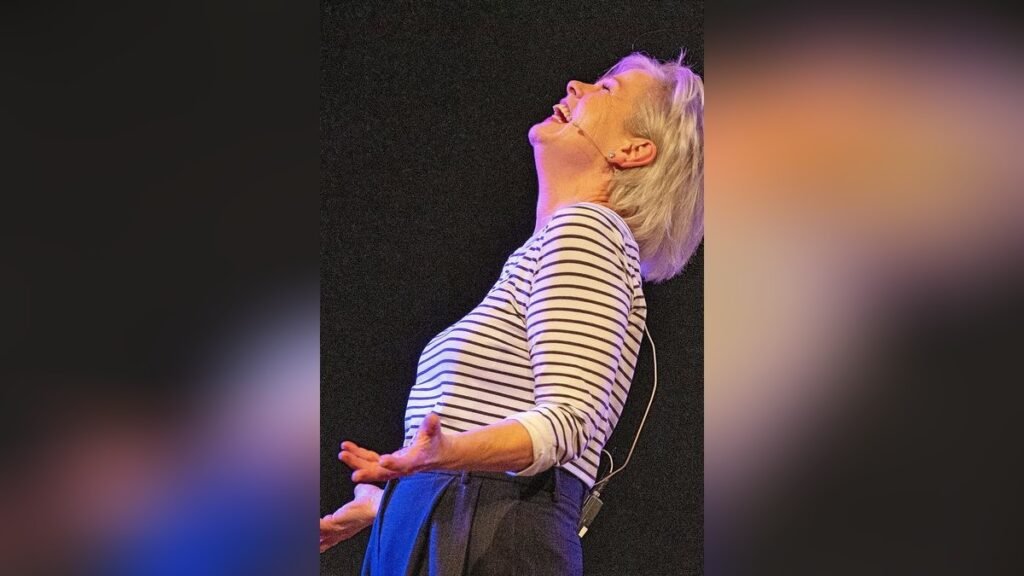
The stroke occurred during a Missfits show in 2021. Jahnke was performing a sketch when she suddenly lost her balance and fell. Fellow performers and stage crew immediately recognized the severity of the situation. Paramedics were called, and she was rushed to a nearby hospital. The audience was informed and the show was cancelled. According to reports, Jahnke received emergency treatment within the critical window for stroke care. The quick response likely contributed to her survival and subsequent recovery. The incident was widely covered in German media, with many outlets emphasizing the importance of recognizing stroke symptoms. Jahnke’s collapse also prompted discussions about the physical demands of live performance, especially for artists over 60. The Missfits duo, known for their sharp humor and physical comedy, had been performing regularly before the event. After the stroke, the duo took a hiatus to allow Jahnke to focus on rehabilitation. A reference profile of the subject is maintained on Gerburg Jahnke Schlaganfall: Ein Blick Auf Gesundheit Und Familie
Real-World Impact: Audience Reaction and Cultural Relevance
The news of Jahnke’s stroke resonated deeply with her fan base. Many took to social media to express support and share their own experiences with stroke. The incident also sparked broader conversations about health awareness in the entertainment industry. German television and newspapers covered the story extensively, with some programs dedicating segments to stroke prevention. Jahnke’s public profile as a beloved comedian meant that her health struggle became a topic of national interest. The Missfits had been a staple of German comedy for decades, and their work often tackled social issues with humor. Jahnke’s stroke added a personal dimension to her advocacy for health issues. She later used her platform to speak about the importance of recognizing stroke signs and the challenges of rehabilitation. The cultural impact extended beyond comedy, as her story became a case study in resilience. Fans and fellow comedians alike praised her courage in returning to the stage after such a life-altering event.
Main Subject Deep Dive: Gerburg Jahnke’s Career and the Stroke’s Aftermath
Gerburg Jahnke was born in 1955 and began her career in the 1980s. She formed the comedy duo Missfits with partner Stephanie Überall. The duo gained fame for their satirical sketches and musical parodies. They performed regularly on German television and toured extensively. Jahnke’s stroke in 2021 occurred when she was 66 years old. After the stroke, she underwent intensive rehabilitation, including physical and speech therapy. She made a partial recovery, regaining mobility and speech, though some effects persisted. In 2022, she made her first public appearance since the stroke, attending a charity event. By 2023, she had returned to limited comedy projects, including a few live shows. She has spoken openly about the challenges of recovery, including fatigue and cognitive changes. Jahnke has also become an advocate for stroke prevention, urging older adults to monitor their health. The Missfits duo has not returned to full-time performance, but they have participated in occasional events.
Timeline of Key Moments: From Stroke to Return
2021: Jahnke suffers a stroke on stage during a Missfits performance. She is hospitalized and undergoes emergency treatment. The incident is reported in German media. 2022: Jahnke begins rehabilitation and makes her first public appearance at a charity event. She gives interviews about her recovery. 2023: Jahnke returns to limited comedy work, performing in a few shows. She continues to advocate for stroke awareness. 2024: Jahnke remains active in select projects, though her schedule is reduced. She participates in a documentary about stroke survivors. The timeline shows a gradual but determined return to public life. Each milestone was covered by German media, reflecting ongoing public interest in her journey. The stroke also prompted the Missfits to reassess their performance schedule, prioritizing health over constant touring.
| Year | Event |
|---|---|
| 2021 | Stroke on stage, emergency treatment |
| 2022 | First public appearance after stroke |
| 2023 | Return to limited comedy performances |
| 2024 | Active in select projects, documentary participation |
Frequently Asked Questions
Is Gerburg Jahnke still performing after her stroke?
Yes, she has returned to limited comedy projects, including a few live shows and appearances. However, she has not resumed a full touring schedule with the Missfits duo.
Did the stroke cause permanent damage, and is she fully recovered?
According to reports, Jahnke made a partial recovery but still experiences some effects such as fatigue and cognitive changes. She continues rehabilitation and manages her health carefully.
Who is Gerburg Jahnke?
Gerburg Jahnke is a German comedian and actress, born in 1955. She is best known as one half of the comedy duo Missfits, which gained fame for satirical sketches and musical parodies.
Why did Gerburg Jahnke have a stroke on stage?
Strokes can occur suddenly due to various risk factors, including age and underlying health conditions. Jahnke was 66 at the time. The exact cause has not been publicly detailed, but she has since advocated for stroke prevention.
When did Gerburg Jahnke suffer her stroke?
She suffered the stroke in 2021 during a live performance. The exact date was widely reported in German media at the time.
Medical Insights: Understanding Stroke Risks and Recovery in Older Adults
Strokes occur when blood supply to part of the brain is interrupted or reduced, depriving brain tissue of oxygen and nutrients. For older adults like Jahnke, risk factors include high blood pressure, atrial fibrillation, and diabetes. The American Stroke Association notes that age doubles stroke risk every decade after 55. Jahnke’s collapse on stage highlighted how strokes can strike suddenly, even during routine activities. Emergency response is critical: treatment within three hours of symptom onset significantly improves outcomes. In Jahnke’s case, the rapid response from paramedics and hospital staff likely minimized long-term damage. Rehabilitation after a stroke often involves physical therapy to regain motor skills, speech therapy for communication difficulties, and occupational therapy for daily tasks. Jahnke has spoken about her rehabilitation journey, emphasizing the importance of patience and persistence. Cognitive changes, such as memory lapses or difficulty concentrating, are common after a stroke and can persist for years. According to the World Health Organization, stroke is a leading cause of disability worldwide, but many survivors can regain independence with proper care. Jahnke’s experience serves as a reminder that stroke recovery is a marathon, not a sprint. She has credited her support network, including family and fans, for helping her stay motivated.
Broader Context: Stroke Awareness in the Entertainment Industry
The entertainment industry places unique physical and mental demands on performers. Long hours, travel, and the pressure to deliver flawless shows can contribute to stress and neglect of health. Jahnke’s stroke brought attention to these issues, particularly for older performers who may be at higher risk. Several other celebrities have suffered strokes on stage or during performances, including actor Luke Perry and musician Sharon Jones. These incidents have sparked discussions about the need for health screenings and emergency preparedness in theaters and concert venues. Some venues have since implemented protocols for rapid medical response, including training staff to recognize stroke symptoms using the FAST acronym (Face drooping, Arm weakness, Speech difficulty, Time to call emergency services). Jahnke herself has become an advocate for stroke education, participating in public awareness campaigns. In interviews, she has stressed the importance of listening to one’s body and not ignoring warning signs. The German Stroke Society has praised her efforts, noting that celebrity advocates can help reduce stigma and encourage people to seek help. The entertainment industry has also seen a push for better health support for artists, including access to regular check-ups and mental health resources. Jahnke’s story is a powerful example of how a personal health crisis can lead to broader societal change.
Personal Reflections: Jahnke’s Own Words on Her Stroke and Recovery
In several interviews following her stroke, Gerburg Jahnke has shared candid reflections on her experience. She described the moment of collapse as surreal, saying she felt a sudden weakness on one side of her body before losing consciousness. In a 2022 interview with German magazine Stern, she recalled waking up in the hospital unable to speak or move her right arm. The fear and frustration were immense, she said, but the support from medical staff and loved ones gave her strength. Jahnke also spoke about the emotional toll of recovery, including moments of despair when progress seemed slow. She emphasized the importance of humor in her healing process, noting that laughter helped her cope with difficult days. Her comedy partner Stephanie Überall has been a constant source of encouragement, visiting her regularly during rehabilitation. Jahnke has also expressed gratitude to her fans, whose messages of support she read during her hospital stay. She admitted that returning to the stage was daunting, but the warmth of the audience during her first post-stroke performance reassured her. Jahnke now views her stroke as a wake-up call to prioritize health over work. She has adopted a healthier lifestyle, including a balanced diet and regular exercise, and encourages others to do the same. Her openness about the challenges of recovery has inspired many stroke survivors and their families.
Future Outlook: What Lies Ahead for Gerburg Jahnke and the Missfits
Looking ahead, Gerburg Jahnke’s career trajectory remains focused on selective projects that accommodate her health needs. She has expressed interest in writing a memoir about her life and stroke experience, which could provide further insights into her journey. The Missfits duo may continue to perform occasionally, but a full return to touring is unlikely given the physical demands. Jahnke has also considered mentoring younger comedians, sharing her knowledge of satire and stagecraft. Her advocacy work is expected to expand, with potential collaborations with health organizations to promote stroke prevention. The German public continues to hold Jahnke in high regard, and her resilience has cemented her legacy as a beloved figure in comedy. As she navigates this new chapter, Jahnke remains optimistic, focusing on what she can still achieve rather than what she has lost. Her story serves as a testament to the human spirit’s ability to overcome adversity. For fans, seeing her on stage again, even briefly, is a triumph. The entertainment industry, too, has learned valuable lessons from her experience, leading to increased awareness of health issues among performers. Gerburg Jahnke’s journey from stroke survivor to advocate is far from over, and many will be watching to see what she does next.
How the German Media Covered Gerburg Jahnke’s Stroke and Its Aftermath
German media outlets provided extensive coverage of Jahnke’s stroke, with major newspapers like Bild, Spiegel, and Süddeutsche Zeitung reporting on the incident. Television programs such as “Tagesschau” and “heute” included segments on her condition. The coverage focused not only on the event itself but also on the broader implications for stroke awareness. Journalists interviewed neurologists and rehabilitation specialists to explain the recovery process. Social media platforms amplified the story, with hashtags like #GerburgJahnke and #Schlaganfall trending in Germany. The media’s sustained interest reflected Jahnke’s status as a cultural icon. Her openness in interviews helped demystify stroke recovery for the general public. Some outlets published personal essays from stroke survivors, creating a community dialogue. The coverage also highlighted the challenges faced by older performers in maintaining their careers after health crises. By keeping her story in the public eye, the media contributed to a greater understanding of stroke prevention and rehabilitation.
Lessons Learned: How Jahnke’s Experience Changed Performance Venues
Jahnke’s on-stage collapse prompted many theaters and event venues to review their emergency protocols. Some venues installed automated external defibrillators and trained staff in basic life support. The incident also led to discussions about the physical demands of live comedy, particularly for older artists. Venues began offering more flexible scheduling and backstage support for performers with health concerns. The German Theater Association issued guidelines for managing medical emergencies during performances. These changes aim to prevent similar incidents and ensure rapid response when they occur. Jahnke’s experience has been used as a case study in medical training programs for event staff. The comedy community, too, has become more vigilant about health checks before shows. While no system can eliminate all risks, the improvements have made live performances safer for everyone. Jahnke herself has praised these changes, noting that they honor her ordeal by protecting others.
Comparing Stroke Recovery: Jahnke’s Journey Versus General Statistics
Stroke recovery varies widely among individuals, depending on factors like age, overall health, and the speed of initial treatment. According to the World Health Organization, about one-third of stroke survivors make a full recovery, while another third experience moderate to severe disability. Jahnke’s case aligns with the more favorable end of this spectrum, as she regained significant function despite persistent challenges. Her age at the time of the stroke—66—placed her in a higher-risk demographic, but her prior good health and the rapid emergency response worked in her favor. Studies show that stroke survivors who receive rehabilitation within the first six months have better outcomes. Jahnke’s intensive therapy during this period likely contributed to her progress. However, long-term effects such as fatigue and cognitive slowing are common even among those who recover well. By sharing her story, Jahnke provides a real-world example of the variability in stroke outcomes, helping to set realistic expectations for other survivors and their families.
Community Support: The Role of Fans and Fellow Comedians in Her Recovery
The outpouring of support from fans and colleagues played a significant role in Jahnke’s emotional recovery. Fellow German comedians, including Hape Kerkeling and Carolin Kebekus, publicly expressed their support and visited her during rehabilitation. Fan letters and social media messages flooded in, many sharing personal stroke stories. This community network provided Jahnke with motivation and a sense of purpose. She has mentioned in interviews that knowing people were rooting for her helped her push through difficult therapy sessions. The comedy community also organized benefit shows to raise funds for stroke charities in her name. These events not only supported Jahnke but also raised awareness about stroke prevention. The solidarity shown by the entertainment industry underscores the close-knit nature of German comedy. Jahnke’s experience strengthened bonds within the community, as many performers realized the importance of looking out for one another’s health. The support she received serves as a model for how public figures can leverage their platform to foster collective care.