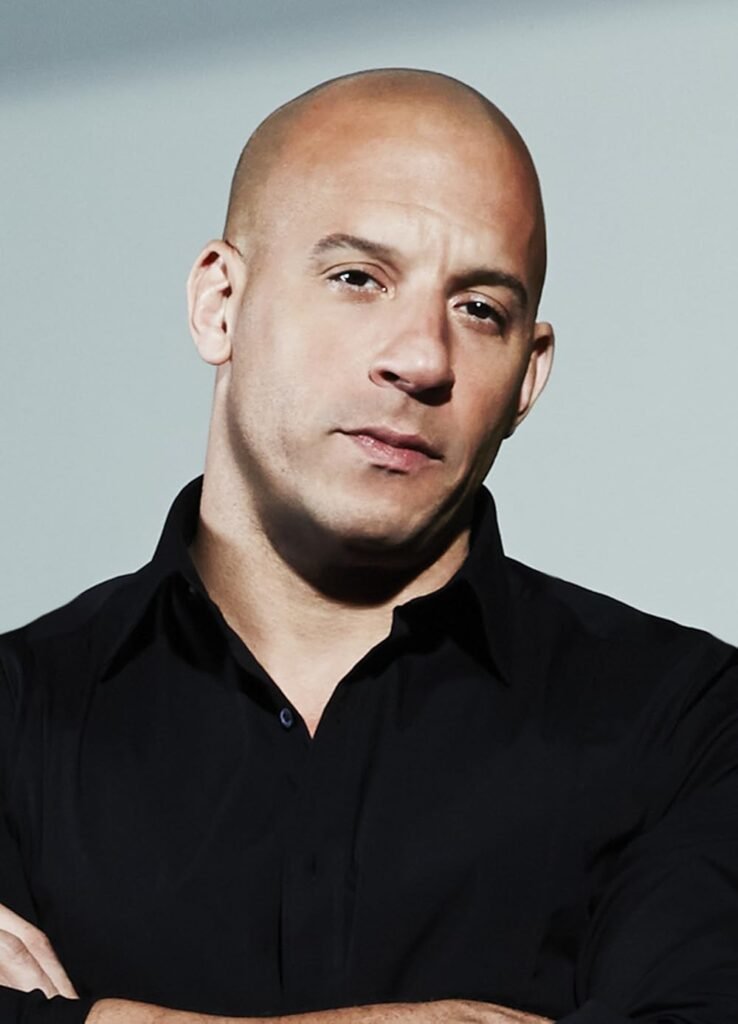
Many assume Vin Diesel rose to fame solely through the Fast & Furious franchise. The reality is more layered. Before he became Dominic Toretto, Diesel wrote, directed, and starred in the award-winning short film Multi-Facial in 1997. That indie project caught Steven Spielberg’s attention and led to a role in Saving Private Ryan. This article traces his career milestones, compares his two biggest franchises, explores his New York upbringing, and reveals behind-the-scenes production details.
Career Milestones: From Indie Shorts to Global Blockbusters
Vin Diesel’s career began in the early 1990s with small roles. His first credited film appearance was in 1990’s Awakenings, though his scene was cut. He then wrote and directed the short film Multi-Facial (1997), which won awards at the Cannes Film Festival. That success led to his feature directorial debut Strays (1997), which also starred him. Background on vin diesel is documented in Vin Diesel
In 1998, Diesel played Private Caparzo in Steven Spielberg’s Saving Private Ryan. The role gave him mainstream exposure. Two years later, he starred in The Fast and the Furious (2001) as Dominic Toretto, a role that would define his career. The film grossed over $200 million worldwide and spawned a franchise that now includes ten main films.
Diesel also launched the xXx franchise in 2002, playing extreme athlete turned spy Xander Cage. That same year, he voiced the title character in The Iron Giant, a cult classic animated film. In 2005, he starred in The Pacifier, a family comedy that surprised critics with its box office success. Background on vin diesel is documented in Official site
His voice work as Groot in the Marvel Cinematic Universe began with Guardians of the Galaxy (2014). The character became a fan favorite, and Diesel has voiced Groot in multiple films and series. In 2023, he faced a sexual battery lawsuit from former assistant Asta Jonasson, which he has denied. Despite legal challenges, Diesel announced in 2024 that a new Fast & Furious film is set for release in 2026.
| Year | Milestone |
|---|---|
| 1997 | Short film Multi-Facial wins awards at Cannes |
| 2001 | First Fast & Furious film released |
| 2014 | Voices Groot in Guardians of the Galaxy |
| 2023 | Sexual battery lawsuit filed by former assistant |
| 2024 | Announces new Fast & Furious film for 2026 |
Comparing Two Franchises: Fast & Furious vs. Marvel’s Groot
Vin Diesel is best known for two major franchises: Fast & Furious and the Marvel Cinematic Universe. Both have made him a household name, but they differ in many ways. In Fast & Furious, Diesel plays Dominic Toretto, a street racer and family man. The role requires physical presence and dramatic intensity. In Marvel, he voices Groot, a tree-like alien who only says three words: “I am Groot.” The contrast is stark.
The Fast & Furious franchise began in 2001 and has grossed over $7 billion worldwide. Diesel has been the central figure, also serving as producer on later installments. The films emphasize car chases, heists, and family loyalty. In contrast, the Marvel films are superhero adventures with a broader ensemble cast. Diesel’s Groot appears in Guardians of the Galaxy (2014), its sequel, and the Avengers films.
Diesel’s performance as Groot relies entirely on voice and motion capture. He recorded the same three words in different tones to convey emotion. The character became a breakout hit, especially with children. Meanwhile, Dominic Toretto has evolved from a street racer to a global action hero. Both roles showcase Diesel’s range, but in very different ways.
Financially, both franchises have been lucrative. Diesel reportedly earned $20 million for Furious 7 and similar amounts for later films. His Marvel pay is less public but substantial. The two franchises also differ in longevity: Fast & Furious is set to end with its 11th film, while Marvel continues to expand. Diesel has expressed interest in both, but his future beyond these roles remains open.
Origins: Growing Up in New York City and Finding Acting
Vin Diesel was born Mark Sinclair on July 18, 1967, in New York City. He was raised by his mother, Delora Sherleen Vincent, and his stepfather, Irving H. Vincent, an acting teacher and theater manager. Diesel has said his stepfather’s influence was crucial. He also has a twin brother, Paul Vincent, who works as a film editor.
Diesel’s interest in acting began early. At age seven, he and his brother broke into a theater to perform a play. They were caught, but the theater manager offered them roles in a children’s play. That experience sparked his passion. He later attended the New School for Social Research in New York, where he studied creative writing.
After college, Diesel worked as a bouncer at New York nightclubs to support his acting. He wrote his own scripts because he felt typecast. His short film Multi-Facial was based on his experiences as a multiracial actor. The film’s success led to a meeting with Steven Spielberg, who cast him in Saving Private Ryan.
Diesel’s background is often described as multiracial. He has said his biological father is of African-American and Italian descent, but he never knew him. His mother is of Scottish, German, and English ancestry. This mixed heritage has influenced his career choices and his advocacy for diversity in Hollywood.
Behind the Scenes: Production Insights and One Race Films
Vin Diesel founded his production company, One Race Films, in 1995. The company has produced many of his films, including the Fast & Furious series. Diesel has said he wanted creative control over his projects. One Race Films also produced The Chronicles of Riddick (2004) and xXx: Return of Xander Cage (2017).
Behind the scenes, Diesel is known for his hands-on approach. He often rewrites dialogue and suggests stunts. On the set of Fast & Furious films, he has been involved in casting and music selection. He also insisted on using practical effects over CGI for many car stunts.
Diesel’s relationship with co-stars has been complex. He has publicly praised the late Paul Walker, his co-star in Fast & Furious. After Walker’s death in 2013, Diesel helped restructure the franchise to honor him. However, there have been reported tensions with other actors, including Dwayne Johnson, though Diesel has downplayed them.
In 2023, a former assistant, Asta Jonasson, filed a sexual battery lawsuit against Diesel. The lawsuit alleges an incident in 2010. Diesel has denied the allegations through his lawyer. The case is ongoing, and it has brought scrutiny to his behind-the-scenes behavior. Despite this, Diesel continues to work on new projects.
Frequently Asked Questions
What is Vin Diesel best known for?
Vin Diesel is best known for playing Dominic Toretto in the Fast & Furious franchise and voicing Groot in the Marvel Cinematic Universe. He also starred in xXx and The Pacifier.
Where was Vin Diesel born and raised?
Vin Diesel was born in New York City on July 18, 1967. He was raised there by his mother and stepfather, an acting teacher.
Is the sexual battery lawsuit against Vin Diesel confirmed or still a rumor?
Diesel has denied the allegations, and the case is ongoing.
Why did Vin Diesel start his own production company?
Diesel founded One Race Films in 1995 to gain creative control over his projects. He wanted to produce films that reflected his vision and to avoid being typecast.
Who is Vin Diesel’s longtime partner?
Vin Diesel has been in a long-term relationship with model Paloma Jiménez since at least 2008. They have three children together, but they are not married.
How Vin Diesel’s Early Indie Work Shaped His Hollywood Approach
Before the blockbuster paychecks and global fame, Vin Diesel operated like an independent filmmaker. His short film Multi-Facial was shot in just three days on a budget of around $3,000. Diesel wrote, directed, produced, and starred in it. The film tells the story of a struggling actor who faces rejection because of his ambiguous ethnicity. That theme resonated deeply with Diesel’s own experiences. He has said that the project was born from frustration with the limited roles available to him.
The success of Multi-Facial at Cannes opened doors. Steven Spielberg saw the film and wrote the role of Private Caparzo in Saving Private Ryan specifically for Diesel. That kind of direct path from an indie short to a major studio war film is rare. Diesel has often cited this experience as validation of his DIY ethos. He continued to write and produce his own vehicles, such as A Man Apart (2003) and Find Me Guilty (2006), even when they did not match the commercial success of his franchises.
His early work also taught him the value of owning intellectual property. Diesel has said that he learned from watching how studios treated creators. That lesson led him to secure rights and production credits on the Fast & Furious series. By the time the franchise became a global phenomenon, Diesel was not just an actor but a key producer shaping its direction. This business acumen, forged in the indie trenches, set him apart from many action stars of his generation.
Vin Diesel’s Approach to Stunts and Practical Effects
One hallmark of the Fast & Furious films is their reliance on practical stunts. Vin Diesel has been a vocal advocate for doing real driving and physical work rather than relying entirely on computer graphics. For the first film, he performed many of his own driving scenes. As the franchise grew, the stunts became more elaborate. In Fast Five (2011), the vault heist sequence involved actual cars dragging a real bank vault through the streets of Rio de Janeiro.
Diesel has said that practical effects give the action a weight that CGI cannot replicate. He pushed for the famous car jump between skyscrapers in Furious 7 to be done with a real car and a ramp, though safety concerns eventually required some digital enhancement. His commitment extends to training. For each film, Diesel undergoes months of physical preparation to perform stunts safely. He has worked with the same stunt coordinator, Spiro Razatos, for years.
This approach has influenced the entire franchise. Directors like Justin Lin and James Wan have praised Diesel’s insistence on authenticity. It also creates a bond with the audience, who can tell when the action is real. Diesel has said that he wants viewers to feel the impact of every crash and punch. That philosophy has helped the Fast & Furious series stand out in an era of green-screen superhero films.
The Future of Vin Diesel’s Career Beyond 2025
Looking ahead, Vin Diesel shows no signs of slowing down. In 2024, he announced that the next Fast & Furious installment, tentatively titled Fast X: Part 2, is scheduled for a 2026 release. He has hinted that this will be the final mainline film in the series, though spin-offs may continue. Diesel has also expressed interest in returning to the xXx franchise. A fourth film, xXx: Return of Xander Cage sequel, has been in development for years.
Beyond action franchises, Diesel has talked about returning to smaller, character-driven projects. He has mentioned a desire to direct again, something he has not done since Strays in 1997. In interviews, he has said that he wants to tell stories about family and identity, themes that have always been central to his work. He also continues to voice Groot in Marvel projects, including the upcoming Guardians of the Galaxy Vol. 3 and potential future appearances.
However, the sexual battery lawsuit filed in 2023 could affect his career. The case is ongoing, and public perception may shift depending on its outcome. Diesel has denied the allegations, and his legal team has called them baseless. For now, he remains active in Hollywood, with several projects in various stages of development. His legacy, already cemented by two massive franchises, will ultimately be shaped by both his on-screen achievements and the off-screen controversies that continue to unfold.
How Vin Diesel’s Early Indie Work Shaped His Hollywood Approach
Before the blockbuster paychecks and global fame, Vin Diesel operated like an independent filmmaker. His short film Multi-Facial was shot in just three days on a budget of around $3,000. Diesel wrote, directed, produced, and starred in it. The film tells the story of a struggling actor who faces rejection because of his ambiguous ethnicity. That theme resonated deeply with Diesel’s own experiences. He has said that the project was born from frustration with the limited roles available to him.
The success of Multi-Facial at Cannes opened doors. Steven Spielberg saw the film and wrote the role of Private Caparzo in Saving Private Ryan specifically for Diesel. That kind of direct path from an indie short to a major studio war film is rare. Diesel has often cited this experience as validation of his DIY ethos. He continued to write and produce his own vehicles, such as A Man Apart (2003) and Find Me Guilty (2006), even when they did not match the commercial success of his franchises.
His early work also taught him the value of owning intellectual property. Diesel has said that he learned from watching how studios treated creators. That lesson led him to secure rights and production credits on the Fast & Furious series. By the time the franchise became a global phenomenon, Diesel was not just an actor but a key producer shaping its direction. This business acumen, forged in the indie trenches, set him apart from many action stars of his generation.
Vin Diesel’s Approach to Stunts and Practical Effects
One hallmark of the Fast & Furious films is their reliance on practical stunts. Vin Diesel has been a vocal advocate for doing real driving and physical work rather than relying entirely on computer graphics. For the first film, he performed many of his own driving scenes. As the franchise grew, the stunts became more elaborate. In Fast Five (2011), the vault heist sequence involved actual cars dragging a real bank vault through the streets of Rio de Janeiro.
Diesel has said that practical effects give the action a weight that CGI cannot replicate. He pushed for the famous car jump between skyscrapers in Furious 7 to be done with a real car and a ramp, though safety concerns eventually required some digital enhancement. His commitment extends to training. For each film, Diesel undergoes months of physical preparation to perform stunts safely. He has worked with the same stunt coordinator, Spiro Razatos, for years.
This approach has influenced the entire franchise. Directors like Justin Lin and James Wan have praised Diesel’s insistence on authenticity. It also creates a bond with the audience, who can tell when the action is real. Diesel has said that he wants viewers to feel the impact of every crash and punch. That philosophy has helped the Fast & Furious series stand out in an era of green-screen superhero films.
The Future of Vin Diesel’s Career Beyond 2025
Looking ahead, Vin Diesel shows no signs of slowing down. In 2024, he announced that the next Fast & Furious installment, tentatively titled Fast X: Part 2, is scheduled for a 2026 release. He has hinted that this will be the final mainline film in the series, though spin-offs may continue. Diesel has also expressed interest in returning to the xXx franchise. A fourth film, xXx: Return of Xander Cage sequel, has been in development for years.
Beyond action franchises, Diesel has talked about returning to smaller, character-driven projects. He has mentioned a desire to direct again, something he has not done since Strays in 1997. In interviews, he has said that he wants to tell stories about family and identity, themes that have always been central to his work. He also continues to voice Groot in Marvel projects, including the upcoming Guardians of the Galaxy Vol. 3 and potential future appearances.
However, the sexual battery lawsuit filed in 2023 could affect his career. The case is ongoing, and public perception may shift depending on its outcome. Diesel has denied the allegations, and his legal team has called them baseless. For now, he remains active in Hollywood, with several projects in various stages of development. His legacy, already cemented by two massive franchises, will ultimately be shaped by both his on-screen achievements and the off-screen controversies that continue to unfold.