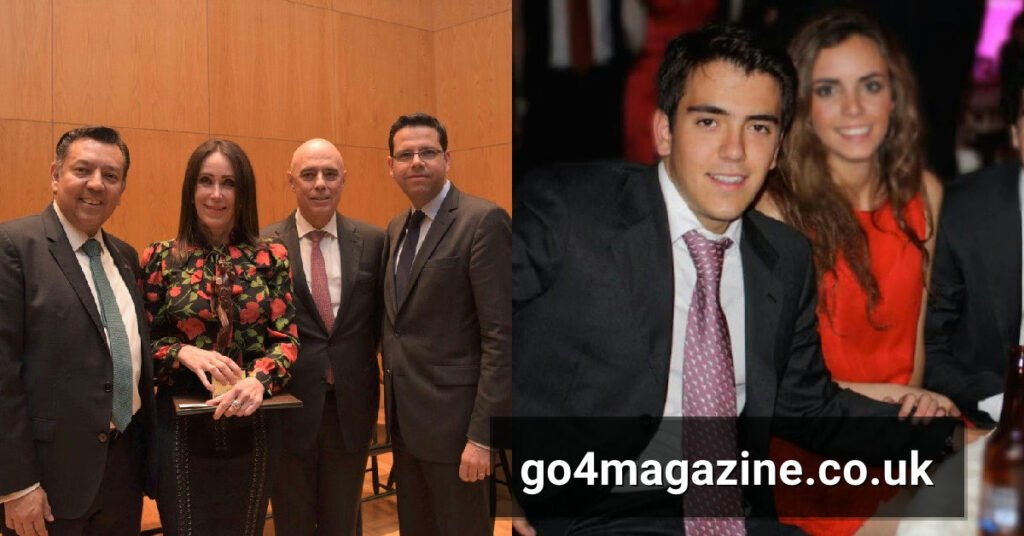
Why are Sam Zell and Maria Asuncion Aramburuzabala being searched together? Both are billionaires who inherited or built fortunes in very different industries—Zell in distressed real estate, Aramburuzabala in Mexican beer. Yet their stories offer contrasting lessons in risk, legacy, and diversification. This article breaks down their approaches, the tools they used, and what you can learn from them today.
Strengths and Weaknesses of Their Investment Strategies
Sam Zell earned the nickname “Grave Dancer” for buying distressed assets when others fled. His strength was timing: he acquired properties during downturns and sold at peaks. For example, he founded Equity Residential in the 1990s and grew it into one of the largest U.S. apartment owners. But his biggest weakness was over-leverage. In 2007, he led a leveraged buyout of Tribune Media, loading it with $8.2 billion in debt. When the 2008 financial crisis hit, Tribune filed for bankruptcy within a year. Zell lost most of his investment. A reference profile of the subject is maintained on Sam Zell
Maria Asuncion Aramburuzabala took a different path. She inherited a stake in Grupo Modelo, Mexico’s largest brewer, from her father. Her strength was patience: she held the stock through market cycles and later sold part of it to Anheuser-Busch InBev for billions. She then diversified into private equity through Tresalia Capital, investing in Mexican infrastructure and tech startups. Her weakness? A lack of public market exits. Many of her portfolio companies remain private, making liquidity harder to measure.
Both investors faced criticism. Zell was accused of stripping assets and cutting jobs at Tribune. Aramburuzabala has been questioned about her family’s close ties to Mexican political elites. Yet their net worths—Zell’s peaked at over $5 billion, Aramburuzabala’s at over $6 billion—show that both strategies worked financially. A reference profile of the subject is maintained on Sam Zell and Maria Asuncion Aramburuzabala
Tools and Platforms They Actually Used
Zell relied on a simple but powerful tool: the real estate investment trust (REIT) structure. He used Equity Residential and Equity Office Properties to raise public capital and acquire properties at scale. He also employed a network of analysts at Equity Group Investments to identify distressed assets. His team used financial models to calculate “replacement cost” versus market price—a key metric for spotting bargains.
Aramburuzabala used a different set of tools. At Tresalia Capital, she and her team deploy a sector-focused approach, targeting infrastructure (roads, energy) and tech (e-commerce, fintech). They use due diligence frameworks common in private equity: discounted cash flow analysis, management interviews, and regulatory risk assessments. She also leverages her board seats at Coca-Cola FEMSA and Grupo Televisa to gain insider perspectives on consumer trends.
Both investors used family offices. Zell’s family office, Equity Group Investments, managed his personal wealth and made direct investments. Aramburuzabala’s family office, Tresalia, does the same but with a stronger focus on Mexican assets. Neither relied heavily on public stock picking; they preferred control-oriented investments.
Practical Takeaways You Can Act On Today
First, learn to identify distressed assets. Zell’s method was to look for properties where the replacement cost exceeded the market price. You can apply this to stocks: find companies trading below book value with strong cash flows. Second, diversify like Aramburuzabala. She didn’t put all her money in beer; she moved into infrastructure and tech. You can do the same by allocating a portion of your portfolio to alternative assets like REITs or private equity funds.
Third, avoid over-leverage. Zell’s Tribune disaster shows that debt can destroy value in a downturn. Keep your personal leverage ratio below 30% of net worth. Fourth, use board seats for information. Aramburuzabala’s board roles gave her early signals about consumer behavior. If you can’t join a board, read annual reports and listen to earnings calls of companies you invest in.
Finally, think in decades, not days. Both Zell and Aramburuzabala held core assets for 20+ years. Short-term trading rarely builds billion-dollar fortunes. Set a long-term investment thesis and stick to it.
Behind the Scenes: How They Built Their Fortunes
Zell started in the 1960s managing apartment buildings in Chicago. He bought his first property with a partner using a small loan. By the 1980s, he had a portfolio of distressed office buildings and shopping centers. His big break came in the 1990s when he took Equity Residential public, raising capital to buy more properties. The Tribune deal was his most ambitious—and most disastrous. He used a complex structure called an “employee stock ownership plan” to avoid taxes, but the debt crushed the company.
Aramburuzabala’s story is more gradual. Her father, Pablo Aramburuzabala, co-founded Grupo Modelo in 1925. She inherited shares after his death in 1995. She didn’t sell immediately; she waited until 2010 when Anheuser-Busch InBev bought the remaining stake for $20.1 billion. She then used the proceeds to launch Tresalia Capital in 2005, focusing on Mexican infrastructure. Her team vets deals by analyzing regulatory approvals and political risk—a must in Mexico’s complex business environment.
Both faced personal challenges. Zell was known for his blunt, confrontational style, which alienated some partners. Aramburuzabala navigated a male-dominated business culture in Mexico, often being the only woman in the room. She has said in interviews that she learned to assert herself by preparing thoroughly for every meeting.
| Aspect | Sam Zell | Maria Asuncion Aramburuzabala |
|---|---|---|
| Primary Industry | Real estate (distressed) | Beverages, private equity |
| Key Company | Equity Residential | Grupo Modelo, Tresalia Capital |
| Risk Style | High leverage, contrarian | Patient, diversified |
| Biggest Setback | Tribune Media bankruptcy (2008) | Limited public exits |
| Net Worth (peak) | Over $5 billion | Over $6 billion |
Frequently Asked Questions
How can I invest like Sam Zell or Maria Asuncion Aramburuzabala?
You can start by buying REITs like Equity Residential for real estate exposure, or invest in Mexican stocks like Coca-Cola FEMSA. For private equity, consider crowdfunding platforms that offer infrastructure deals. Always diversify and avoid over-leverage.
How does Zell’s distressed investing differ from Aramburuzabala’s private equity approach?
Zell focused on buying undervalued real estate during downturns, often using debt. Aramburuzabala buys controlling stakes in private companies, holds them long-term, and improves operations. Zell’s method is more cyclical; hers is more stable but less liquid.
How much money did Sam Zell lose on the Tribune deal?
Zell invested about $315 million of his own money in the Tribune buyout. When the company filed for bankruptcy in 2008, his equity was wiped out. He later said it was his biggest mistake.
Who is Maria Asuncion Aramburuzabala?
She is a Mexican billionaire businesswoman and beer heiress. She inherited a stake in Grupo Modelo, became the first Mexican woman on Forbes’ billionaires list, and now runs Tresalia Capital, a private equity firm.
Where was Sam Zell born and where did he die?
Sam Zell was born in Chicago, Illinois, in 1941. He died in 2023 at age 81. His funeral was held in Chicago, and he was buried in a Jewish cemetery.
How Their Philanthropy Reflects Different Priorities
Sam Zell was known for his hands-on approach to giving. He donated millions to the University of Michigan, his alma mater, funding the Zell Lurie Institute for Entrepreneurial Studies. He also supported Jewish causes and medical research. His philanthropy often came with strings attached—he wanted measurable outcomes and accountability. In contrast, Maria Asuncion Aramburuzabala focuses on cultural and educational initiatives in Mexico. She has funded the renovation of the Museo Soumaya and supported scholarships for women in business through Tresalia Capital. Her giving is quieter, more institutional, and deeply tied to her Mexican identity.
What Their Media Portrayals Reveal About Public Perception
Zell was often portrayed as a brash, larger-than-life figure. He drove a motorcycle, wore casual clothes to board meetings, and gave blunt interviews. The media called him the “Grave Dancer” and focused on his high-risk deals. Aramburuzabala, by contrast, maintains a low profile. She rarely gives interviews and avoids social media. When she appears in the press, it is usually in the context of her business deals or her position as one of Mexico’s wealthiest women. This contrast highlights how gender and culture shape public narratives: Zell’s aggressiveness was celebrated, while Aramburuzabala’s discretion is seen as prudent.
Lessons for the Next Generation of Investors
Young investors can learn from both billionaires. From Zell, take the courage to buy when others are selling. From Aramburuzabala, take the patience to hold quality assets for decades. But also learn from their mistakes: avoid excessive debt, diversify across geographies, and never let ego drive a deal. The next generation will face different markets—higher inflation, more regulation, and climate risk—but the principles of contrarian thinking and long-term compounding remain timeless.
How Their Investment Philosophies Differ in Practice
Zell’s philosophy was rooted in the belief that assets are only worth what someone will pay for them today. He famously said, “If you’re not early, you’re late.” This drove him to act quickly when he saw opportunity, often before others recognized the value. His approach required deep knowledge of local real estate markets and a willingness to take on significant debt. Aramburuzabala, on the other hand, follows a more conservative philosophy. She believes in owning businesses that generate steady cash flow and have strong competitive moats. Her investments in infrastructure, for example, are backed by long-term government contracts that provide predictable returns. She avoids industries she doesn’t understand, such as technology startups with no clear path to profitability.
What Their Portfolios Look Like Today
At the time of his death in 2023, Zell’s portfolio was heavily weighted toward real estate, with significant holdings in Equity Residential and other REITs. He also owned stakes in energy companies and a small collection of art. His family office continues to manage these assets. Aramburuzabala’s portfolio is more diversified. Through Tresalia Capital, she holds stakes in Mexican infrastructure projects, a fintech company, and a chain of pharmacies. She also retains a minority stake in Grupo Modelo, now part of AB InBev. Her portfolio is less liquid than Zell’s, but it is also less exposed to market cycles. Both investors have shown that a focused, long-term strategy can build lasting wealth, even when their methods differ dramatically.