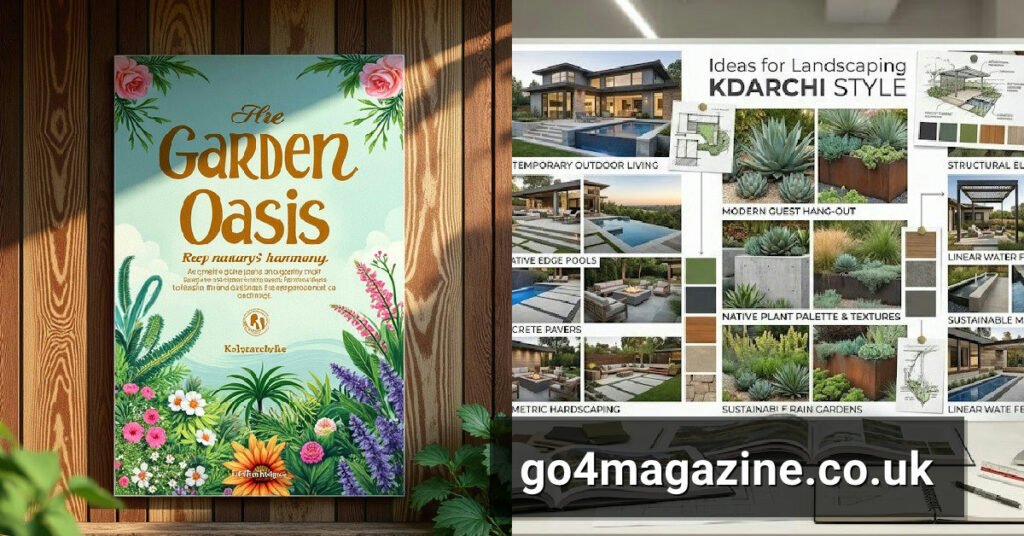
Kdarchistyle landscaping combines Korean traditional garden aesthetics with modern minimalist principles. This approach gained traction in South Korea during the 1990s landscape revival and has since spread globally via social media platforms like Instagram. The style emphasizes harmony with nature, using native plants such as pine and azalea, along with natural stone, bamboo, and water features.
What Kdarchistyle Landscaping Really Means
Many people confuse kdarchistyle with generic Asian garden design. The term refers specifically to a blend of Korean garden traditions—dating back to the Three Kingdoms period (57 BC–668 AD)—and contemporary minimalist hardscaping. Key elements include curved pathways, moss-covered stones, and a central pond or small stream. The concept of “borrowed scenery” (cha-gyeong) integrates distant views into the garden, making the space feel larger and more connected to nature.
Unlike Japanese gardens, which often use raked gravel and precise pruning, kdarchistyle favors asymmetrical plant arrangements and natural-looking stone placements. The goal is a serene, meditative environment that feels like a secluded retreat. Modern interpretations also incorporate sustainable materials and drought-resistant plants for eco-friendly yards.
Clearing Up Misconceptions About Kdarchistyle Gardens
A common misconception is that kdarchistyle requires a large property or expensive materials. In reality, the style adapts well to small urban spaces. A compact courtyard can feature a single stone lantern, a bamboo fence, and a few azalea bushes to capture the essence. Another myth is that the garden must look wild or unkempt. While asymmetry is key, the design is carefully planned to create visual balance and tranquility.
Some believe kdarchistyle is only for warm climates. However, Korean gardens celebrate seasonal changes—cherry blossoms in spring, maple foliage in autumn—so the style works in temperate regions with distinct seasons. The use of evergreens like pine ensures year-round structure. Designer Pai Ki-hyung, known for blending traditional elements with contemporary spaces, has demonstrated that kdarchistyle can thrive in diverse environments.
Why Kdarchistyle Appeals to Homeowners Worldwide
Kdarchistyle landscaping has found particular resonance in North America and Europe, where homeowners seek low-maintenance, eco-friendly gardens. The minimalist hardscaping—gravel, stepping stones, wooden decks—reduces lawn area and water usage. Drought-resistant plants like Korean feather reed grass and sedum fit well with modern sustainability goals.
Social media has accelerated interest. In 2023, hashtags like #kdarchistyle and #koreangarden saw significant growth on Instagram, with users sharing photos of their transformed yards. The style’s emphasis on tranquility and meditation appeals to people looking for a personal sanctuary. Famous examples, such as the gardens at Changdeokgung Palace in Seoul (a UNESCO World Heritage site), inspire homeowners to recreate that sense of peace at home.
Financial and Practical Considerations for Kdarchistyle Landscaping
Adopting kdarchistyle landscaping can be cost-effective compared to traditional Western gardens. Natural stone and bamboo are often locally sourced, reducing material costs. The reduced lawn area also lowers water bills and maintenance time. However, initial installation of water features like a small stream or pond may require professional help, adding to upfront expenses. A reference profile of the subject is maintained on 31 Kdarchistyle Landscaping Layouts To Save for Later
Homeowners should also consider local regulations. Some municipalities restrict water features or require permits for ponds. Checking with local authorities before digging is wise. For those on a budget, a phased approach works: start with a gravel path and a few key plants, then add a stone lantern or bamboo screen later. The style’s flexibility allows for gradual expansion without compromising the overall aesthetic.
| Element | Traditional Use | Modern Adaptation |
|---|---|---|
| Natural stone | Stepping stones, lanterns | Gravel paths, dry creek beds |
| Bamboo | Fences, water spouts | Privacy screens, decorative accents |
| Water features | Central pond, stream | Small fountain, rain chain |
| Plants | Pine, azalea, maple | Drought-resistant natives, ornamental grasses |
Frequently Asked Questions
Is kdarchistyle landscaping still popular in 2024?
Yes, the style continues to grow in popularity, especially among homeowners seeking sustainable and meditative outdoor spaces. Social media trends and increased interest in Korean culture have sustained its relevance.
What is kdarchistyle best known for?
It is best known for blending Korean traditional garden elements—like curved paths and mossy stones—with modern minimalist design, creating a tranquil, nature-focused retreat.
How many plants are typically used in a kdarchistyle garden?
There is no fixed number, but the style favors a limited palette of native species—often fewer than ten types—to maintain a clean, uncluttered look.
Who is the key designer associated with modern kdarchistyle?
Pai Ki-hyung is a notable figure who has integrated traditional Korean garden elements into contemporary landscapes, influencing the style’s modern evolution.
Where can I see famous examples of kdarchistyle gardens?
The gardens at Changdeokgung Palace in Seoul, a UNESCO World Heritage site, are a prime example. Many private gardens in South Korea also showcase the style.
How to Start Your Own Kdarchistyle Garden Project
Begin by assessing your space and sunlight. Kdarchistyle gardens thrive in partial shade, but many plants tolerate full sun. Sketch a simple layout with a focal point—a stone lantern, a small pond, or a sculptural tree. Choose a color palette of greens, grays, and muted earth tones. Avoid bright flowers; instead, rely on texture and form. Source materials locally: flagstone from a nearby quarry, bamboo from a garden center, and native shrubs from a nursery. Start small: a 10×10 foot area can become a serene retreat. Patience is key—the garden evolves over seasons, and moss takes time to establish on stones.
Maintaining Your Kdarchistyle Landscape Over Time
Maintenance is minimal but intentional. Prune trees and shrubs to maintain their natural shape—avoid heavy clipping. Rake leaves from the pond or stream to keep water clear. Replace any plants that die with similar species to preserve the design. In autumn, let fallen leaves lie on mossy areas for a natural look. Check stone lanterns and bamboo fences for weathering; treat bamboo with oil annually to prevent cracking. The beauty of kdarchistyle lies in its acceptance of imperfection—a few fallen petals or a slightly crooked stone add character. With regular care, your garden will deepen its connection to nature year after year.