
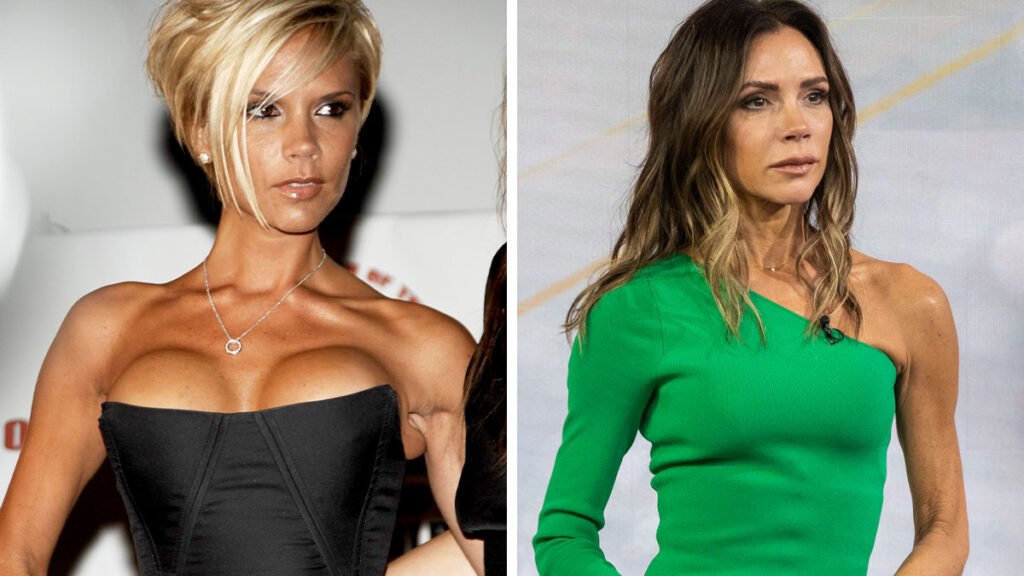
How have celebrities shaped the public perception of breast implants through their before-and-after transformations? From Pamela Anderson’s early augmentation to the recent explant trend, celebrity choices have influenced millions.
Key Milestones in Celebrity Breast Implant History
The timeline of celebrity breast implants begins in the late 1980s when Pamela Anderson underwent augmentation. Her role on Baywatch made her implants a cultural talking point. Kylie Jenner’s reported augmentation in 2016 sparked widespread before-and-after comparisons on social media. Iggy Azalea revealed her implant removal in 2018, citing health concerns. Bella Hadid admitted to getting implants at 19 and removing them in 2022. Chrissy Teigen and Ashley Tisdale have also shared their explant journeys publicly since 2020. Breast implant
| Celebrity | Year of Implant | Year of Removal (if known) |
|---|---|---|
| Pamela Anderson | Late 1980s | Not publicly confirmed |
| Heidi Montag | 2009 | Not publicly confirmed |
| Kylie Jenner | 2016 (reported) | Not publicly confirmed |
| Iggy Azalea | Not publicly confirmed | 2018 |
| Bella Hadid | 2016 (age 19) | 2022 |
What Is Confirmed and What Remains Unverified About Celebrity Implants
Bella Hadid openly stated she had implants at 19 and removed them in 2022. However, many celebrity implant rumors remain unverified. Some celebrities deny having implants despite visual speculation. Social media amplifies unverified claims, making it hard to separate fact from fiction.
How Celebrity Implant Choices Influence Public Trends and Cultural Norms
Celebrity breast implant decisions have a measurable impact on public trends. When Pamela Anderson popularized large implants, demand for similar sizes rose. The shift toward “natural look” implants since 2020 correlates with celebrities like Chrissy Teigen and Ashley Tisdale sharing their explant stories. Social media platforms like Instagram and TikTok are flooded with before-and-after comparisons, often using celebrity photos as references. This has led to increased awareness of Breast Implant Illness (BII) and explant surgery. However, experts caution that celebrity results are often digitally altered, setting unrealistic expectations. The cultural conversation has moved from simply wanting bigger breasts to prioritizing health and natural aesthetics, driven largely by celebrity disclosures. Celebrities with Breast Implants | Before & After Photos
Behind the Scenes: How Celebrity Before-and-After Photos Are Produced and Shared
The production of celebrity before-and-after implant photos involves multiple factors. Many celebrities work with top surgeons who charge premium fees, often between $5,000 and $15,000. Photos are typically taken in professional lighting and may be retouched before release. Some celebrities control their narrative by sharing photos directly on social media, while others have images leaked by paparazzi or tabloids. The rise of social media has accelerated the spread of these images, with platforms like Instagram and TikTok becoming primary sources. However, digital alteration is common, making it difficult for the average patient to achieve identical results. Surgeons emphasize that individual anatomy and healing vary, so celebrity outcomes are not guaranteed.
Frequently Asked Questions
Where did Pamela Anderson get her breast implants?
Pamela Anderson had her breast implants placed in the late 1980s, reportedly in Los Angeles. She has discussed the procedure in interviews, noting that she chose a size that would enhance her figure for her role on Baywatch.
When did Bella Hadid remove her breast implants?
Bella Hadid removed her breast implants in 2022. She had originally gotten them at age 19 in 2016. She stated that she regretted the decision and wanted to return to her natural size for health and aesthetic reasons.
How many celebrities have publicly discussed breast implant removal?
Several celebrities have publicly discussed implant removal, including Bella Hadid, Iggy Azalea, Chrissy Teigen, and Ashley Tisdale. The exact number is not tracked, but the trend has grown significantly since 2018, with many citing health concerns like Breast Implant Illness.
What is Breast Implant Illness (BII)?
Breast Implant Illness is a term used to describe a range of symptoms that some individuals attribute to their breast implants, including fatigue, joint pain, and brain fog. It is not an official medical diagnosis but is recognized by many patients and some surgeons. Celebrities like Chrissy Teigen have shared their experiences with BII.
What impact have celebrity implant stories had on public awareness?
Celebrity implant stories have significantly raised public awareness about the risks and realities of breast augmentation. They have contributed to the growing trend of explant surgery and the preference for smaller, more natural-looking implants. Social media has amplified these stories, making them accessible to a wide audience.
The Role of Social Media in Amplifying Celebrity Implant Transformations
Social media platforms have fundamentally changed how celebrity before-and-after implant stories reach the public. Instagram, TikTok, and YouTube allow celebrities to share their journeys directly, bypassing traditional media filters. Hashtags like #explant and #breastimplantremoval have millions of views, with many posts featuring celebrity photos as reference points. This direct access has both positive and negative effects. On one hand, it provides authentic narratives from celebrities who choose to be transparent. On the other hand, it enables the rapid spread of unverified before-and-after comparisons, often without context about lighting, angles, or digital editing. The viral nature of these posts can create pressure on ordinary women to compare themselves to curated images. Plastic surgeons report an increase in patients bringing celebrity photos to consultations, expecting identical results. However, experts emphasize that each person’s anatomy and healing process are unique, so outcomes vary widely. The democratization of information through social media has also empowered patients to research Breast Implant Illness and explant surgery, leading to more informed decisions. Yet, the same platforms can spread misinformation, making it crucial for users to verify sources before drawing conclusions.
Medical Considerations and Health Risks Behind Celebrity Implant Decisions
The medical landscape surrounding breast implants has evolved significantly since the early days of celebrity augmentation. In 2011, the FDA identified a link between breast implants and Anaplastic Large Cell Lymphoma (BIA-ALCL), a rare cancer. This finding prompted many celebrities to reevaluate their implants. Bella Hadid cited health concerns when she removed her implants in 2022. Iggy Azalea mentioned similar reasons for her 2018 explant. Breast Implant Illness, though not an official diagnosis, has been reported by thousands of women, including celebrities like Chrissy Teigen. Symptoms include chronic fatigue, brain fog, joint pain, and autoimmune issues. The exact cause of BII is unknown, but some researchers suspect an inflammatory response to the implant material. Capsular contracture, where scar tissue tightens around the implant, is another common complication that can lead to pain and distortion. Rupture and silent rupture are also risks, especially with older implants. The FDA recommends regular monitoring through MRI or ultrasound for silicone implants. Despite these risks, many celebrities continue to choose augmentation, often opting for smaller sizes and more natural shapes to align with current trends. The decision to get or remove implants is deeply personal, and celebrities’ public disclosures have helped destigmatize both choices. However, medical professionals caution that celebrity experiences may not reflect the average patient’s outcome, as they often have access to top-tier surgeons and follow-up care. The growing awareness of complications has led to increased demand for explant surgery, with the American Society of Plastic Surgeons reporting a steady rise in removal procedures over the past decade.
How Celebrity Implant Trends Have Shifted Over the Decades
The aesthetic preferences for breast implants among celebrities have changed dramatically from the 1990s to the 2020s. In the 1990s and early 2000s, larger implants were popular, epitomized by Pamela Anderson and other Playboy models. This era emphasized a dramatic, noticeable augmentation. By the 2010s, a shift toward a more natural look began, with celebrities like Kate Upton and Sofia Vergara representing fuller but proportionate figures. The mid-2010s saw the rise of the “Instagram face” aesthetic, which often included moderate implants combined with other procedures. However, the late 2010s and early 2020s have witnessed a significant trend toward explant and smaller implants. Celebrities like Bella Hadid, Iggy Azalea, and Ashley Tisdale have publicly removed their implants, citing health and aesthetic reasons. This shift is partly driven by the growing awareness of Breast Implant Illness and the desire for a more natural appearance. Social media has accelerated this trend, with influencers and celebrities sharing their explant journeys. The “clean girl” aesthetic, which emphasizes minimalism and natural beauty, has also influenced implant choices. Plastic surgeons report that patients increasingly request “natural-looking” results, often bringing photos of celebrities with smaller implants as references. The cultural conversation has moved from simply wanting bigger breasts to prioritizing overall health and body harmony. This evolution reflects broader societal changes, including the body positivity movement and increased scrutiny of cosmetic procedures. While large implants are still chosen by some, the overall trend is toward moderation and informed decision-making.
The Financial and Professional Implications for Celebrities with Implants
For celebrities, breast implants can have significant financial and professional implications. In the entertainment industry, physical appearance often affects casting opportunities, endorsement deals, and public image. Some celebrities have reported that implants helped them land roles or increase their marketability. For example, Pamela Anderson’s implants became a signature part of her brand on Baywatch. However, implants can also limit roles, as some directors may prefer a more natural look for certain characters. The cost of implants and maintenance is substantial. Initial surgery can range from $5,000 to $15,000, and follow-up procedures for replacement or removal add to the expense. Celebrities often have access to top surgeons, but they also face pressure to maintain their appearance. The decision to remove implants can also affect a celebrity’s career. Bella Hadid has stated that removing her implants was a personal choice, but it may have impacted her modeling work. Conversely, some celebrities have gained positive attention for their transparency about explant, enhancing their public image. The financial aspect also includes potential legal issues. In 2022, a class-action lawsuit against Allergan over textured implants linked to BIA-ALCL highlighted the risks. Celebrities involved in such cases may face public scrutiny. Overall, the financial and professional calculus for celebrities considering implants is complex, involving potential benefits and risks that are often magnified by their public visibility.
The Psychological and Emotional Dimensions of Celebrity Implant Decisions
Beyond the physical transformation, celebrities often grapple with psychological and emotional factors when deciding to get or remove breast implants. Public scrutiny amplifies these pressures. Many celebrities have spoken about feeling pressured to conform to industry beauty standards. Heidi Montag, for instance, admitted that her multiple procedures in 2009 were driven by insecurity and a desire to fit in. The decision to remove implants can also be emotionally charged. Bella Hadid described feeling relieved after her explant, stating she felt more like herself. Chrissy Teigen shared that her explant improved her mental health. However, not all celebrities find the decision easy. Some worry about how their career will be affected. The psychological impact of constant before-and-after comparisons on social media can be significant. Celebrities may experience body dysmorphia or anxiety about their appearance. The support of fans and peers can help, but the pressure remains. Mental health professionals emphasize that cosmetic surgery should not be seen as a cure for deeper emotional issues. The growing trend of celebrities openly discussing their psychological journeys has helped destigmatize these conversations, encouraging others to seek therapy or make informed choices.
How the Media and Paparazzi Shape the Narrative of Celebrity Implants
The media plays a powerful role in shaping the narrative around celebrity breast implants. Tabloids and entertainment news outlets often publish before-and-after photos, sometimes without the celebrity’s consent. These images are frequently accompanied by speculation about whether a celebrity has had work done. Paparazzi photos taken at unflattering angles can create misleading comparisons. Celebrities like Kylie Jenner have been subject to intense scrutiny, with every change in appearance analyzed. The media also amplifies trends. When a celebrity removes her implants, it often becomes a headline, influencing public perception. However, the media’s focus on appearance can be harmful. It perpetuates the idea that a woman’s value is tied to her looks. Some celebrities have pushed back, using their platforms to control their narrative. For example, Ashley Tisdale shared her explant story on her own terms, bypassing traditional media. The rise of celebrity-owned media, such as podcasts and social media channels, allows for more authentic storytelling. Yet, the paparazzi and tabloids remain influential. The cycle of speculation and confirmation continues to shape how the public views celebrity implant choices. Understanding this dynamic is key to critically evaluating before-and-after images.
The Legal and Regulatory Landscape Surrounding Celebrity Breast Implants
The legal framework for breast implants has evolved alongside celebrity trends. In 2011, the FDA identified a link between textured implants and Anaplastic Large Cell Lymphoma (BIA-ALCL), leading to recalls and lawsuits. Allergan, a major implant manufacturer, faced a class-action lawsuit in 2022 over its textured implants. Celebrities involved in such cases may face public scrutiny, but their participation can also raise awareness. The FDA now requires boxed warnings on breast implants, informing patients about risks like BIA-ALCL and capsular contracture. Celebrities like Bella Hadid and Iggy Azalea have cited these health concerns when explaining their explant decisions. The legal landscape continues to evolve, with ongoing research into Breast Implant Illness and its recognition as a medical condition. This regulatory environment has influenced celebrity choices, as many now prioritize safety over aesthetics.
How Celebrity Implant Stories Have Changed the Conversation Around Body Image
The public discussion of celebrity breast implants has shifted from simple admiration to complex conversations about body image and health. In the 1990s, celebrities like Pamela Anderson were celebrated for their augmented figures. Today, celebrities like Bella Hadid and Chrissy Teigen are praised for their transparency about removal. This change reflects broader societal shifts toward body positivity and authenticity. The #MeToo movement and increased awareness of women’s health issues have also played a role. Celebrities now feel empowered to share their struggles with body image and the pressure to conform. This has helped normalize the decision to get or remove implants, reducing stigma. However, the conversation is not without controversy. Some critics argue that celebrities still promote unrealistic standards, even when discussing explant. The key takeaway is that celebrity stories have opened up a dialogue that encourages individuals to make informed choices based on their own health and preferences, rather than societal pressure.
