
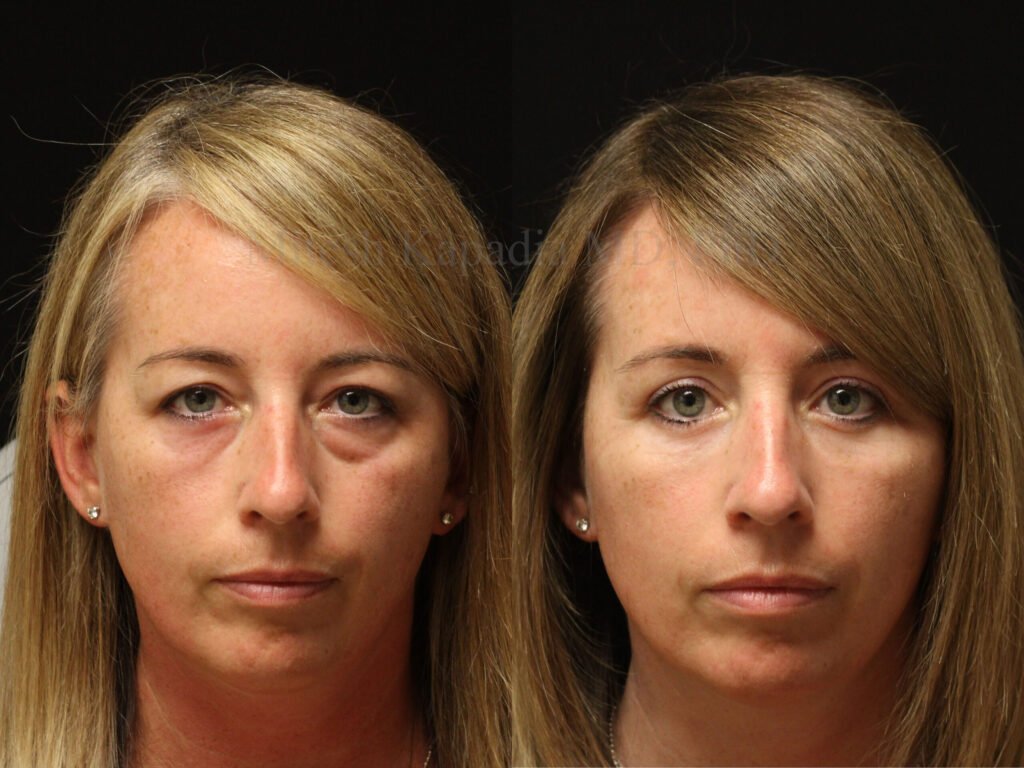
Are you considering lower blepharoplasty and wondering what the before and after results really look like? This surgical procedure removes or repositions fat and tightens skin under the eyes, addressing under-eye bags, wrinkles, and puffiness for a more youthful appearance. The surgery is typically performed on patients aged 35 and older, with results that can last 5 to 10 years depending on aging and skin quality.
How Lower Blepharoplasty Is Performed: Surgical Techniques and Methodology
Lower blepharoplasty is a precise surgical procedure that requires careful planning and execution. The surgery is usually performed under local anesthesia with sedation, allowing the patient to remain comfortable while the surgeon works. Modern techniques have evolved significantly, with a focus on minimizing visible scarring and preserving natural tissue. Lower Blepharoplasty Before & After Photos | Flora Levin MD
One of the key advancements is the transconjunctival incision, which is made inside the lower eyelid rather than on the skin surface. This approach leaves no visible external scar and is particularly effective for patients whose main concern is excess fat rather than loose skin. For those with significant skin laxity, a subciliary incision just below the lash line may be used, which typically heals well and becomes nearly invisible over time.
The surgeon begins by making the incision and then carefully separates the skin from the underlying muscle. Fat pads that cause bulging are either repositioned or partially removed. Dr. Charles H. Thorne, a noted expert in eyelid surgery techniques, emphasizes the importance of fat preservation and volume restoration to avoid a hollowed appearance. After addressing the fat, the surgeon may tighten the muscle and trim excess skin before closing the incision with fine sutures.
The entire procedure typically takes one to two hours, depending on the complexity. Patients are monitored briefly after surgery and then discharged home with detailed aftercare instructions. The methodology prioritizes safety and natural-looking results, with surgeons tailoring each step to the individual’s anatomy and aesthetic goals.
Recovery involves swelling and bruising for one to two weeks, with most patients returning to work and normal activities within 10 to 14 days. Cold compresses and head elevation help reduce swelling, while prescribed medications manage discomfort. Strenuous activity and heavy lifting should be avoided for at least three weeks to prevent complications.
Surgeons also consider the patient’s overall facial harmony. Lower blepharoplasty is often combined with other procedures such as upper blepharoplasty or a facelift for comprehensive rejuvenation. The methodology continues to evolve, with recent advances focusing on minimally invasive techniques and faster recovery times.
Common Misconceptions About Lower Blepharoplasty: Separating Fact from Fiction
Many people hold misconceptions about lower blepharoplasty that can lead to unrealistic expectations or unnecessary fear. One common myth is that the surgery leaves obvious scars. In reality, the transconjunctival technique avoids external incisions entirely, and even when a subciliary incision is used, the scar typically fades to a fine line that is barely noticeable.
Another misconception is that lower blepharoplasty is extremely painful. While some discomfort is normal, the procedure is performed under anesthesia, and post-operative pain is usually mild to moderate, easily managed with prescribed pain relievers. Most patients describe the sensation as tightness and swelling rather than sharp pain.
Some believe that results are permanent. While the surgery provides long-lasting improvement, the aging process continues. Results can last 5 to 10 years, but factors such as genetics, sun exposure, and lifestyle habits influence longevity. Touch-up procedures may be needed later in life.
A widespread myth is that lower blepharoplasty is only for women. In fact, men also undergo the procedure in significant numbers. The surgery is equally effective for both genders, and surgeons tailor the approach to masculine or feminine aesthetic goals.
Another false belief is that non-surgical alternatives like fillers provide the same results. While dermal fillers can temporarily reduce the appearance of under-eye hollows, they cannot remove excess fat or tighten loose skin. Fillers are less invasive but temporary, typically lasting 6 to 18 months, and they do not address muscle laxity or fat herniation.
Some patients worry that the surgery will change their eye shape or expression. A skilled surgeon aims to preserve the natural contour of the eye while reducing puffiness. When performed correctly, the eyes look refreshed rather than altered. It is crucial to choose a board-certified plastic surgeon with experience in eyelid surgery.
Finally, there is a misconception that recovery is long and debilitating. While initial swelling and bruising are noticeable, most patients feel well enough to resume non-strenuous activities within a week. The majority of visible healing occurs within two weeks, and residual swelling can be concealed with makeup.
Lower Blepharoplasty Before and After: What the Results Show and How They Are Achieved
The phrase lower blepharoplasty before and after often evokes images of dramatic transformations. Indeed, the procedure can significantly reduce under-eye bags, smooth wrinkles, and restore a more rested appearance. But what exactly do these results look like, and how are they achieved?
Before surgery, patients typically present with prominent fat pads that create bulges under the eyes, often accompanied by loose skin and fine lines. These features can make a person look tired or older than their actual age. The goal of lower blepharoplasty is to create a smoother, more youthful contour without altering the fundamental shape of the eye.
During the procedure, the surgeon addresses the underlying causes. Excess fat is either removed or repositioned to fill hollow areas. Loose skin is trimmed, and the muscle may be tightened. The result is a reduction in puffiness and a firmer eyelid appearance. Patients often report that they look more alert and rested after recovery.
It is important to note that results vary based on individual anatomy, age, and skin quality. Younger patients with good skin elasticity tend to achieve more dramatic improvements, while older patients may see moderate but meaningful changes. The surgeon’s skill also plays a critical role in achieving natural-looking outcomes.
Dr. Charles H. Thorne has contributed significantly to refining techniques that prioritize fat preservation. By repositioning rather than removing fat, surgeons can avoid the hollowed look that was common with older methods. This approach maintains volume in the lower eyelid, which is essential for a youthful appearance.
Patient satisfaction rates are high when realistic expectations are set. Most patients are pleased with the reduction in under-eye bags and the overall rejuvenation. However, it is crucial to understand that the surgery does not stop the aging process. Maintenance of results requires good skincare, sun protection, and a healthy lifestyle.
Complications are rare but can include dry eyes, ectropion (outward turning of the eyelid), or asymmetry. Choosing an experienced surgeon minimizes these risks. The before and after photos in a surgeon’s gallery can provide a realistic preview of potential outcomes, but each patient’s results will be unique.
Regional and Demographic Relevance: Who Seeks Lower Blepharoplasty and Why
Lower blepharoplasty is popular across various regions and demographics, but certain trends emerge. The procedure is most commonly sought by individuals aged 35 and older, as this is when under-eye bags and skin laxity become more noticeable. However, younger patients with genetic predisposition to fat herniation may also opt for surgery.
Geographically, the demand for eyelid surgery is high in countries with a strong cosmetic surgery culture, such as the United States, Brazil, South Korea, and parts of Europe. In the U.S., blepharoplasty consistently ranks among the top five cosmetic surgical procedures, according to the American Society of Plastic Surgeons. The appeal crosses ethnic lines, as under-eye bags are a universal concern.
In Asian countries, lower blepharoplasty is often combined with other eyelid procedures to achieve a specific aesthetic. For example, many patients seek to create a double eyelid or address epicanthal folds. Surgeons in these regions have developed specialized techniques to accommodate different eyelid anatomies.
Men are increasingly seeking lower blepharoplasty, driven by a desire to look more competitive in the workplace and to maintain a youthful appearance. The procedure is often marketed as a way to appear more rested and energetic, which resonates with both genders.
Cultural attitudes toward aging also influence demand. In societies that value youthfulness, such as many Western and East Asian cultures, cosmetic procedures are more readily accepted. Conversely, in some cultures, natural aging is embraced, and surgical intervention is less common.
Economic factors play a role as well. Lower blepharoplasty is an elective procedure that is not typically covered by insurance unless it impairs vision. Therefore, it is more accessible to individuals with disposable income. However, the cost varies widely by region and surgeon expertise.
Social media and celebrity culture have also contributed to the popularity of lower blepharoplasty. Before and after photos shared online can inspire others to seek the procedure. However, it is important for patients to consult with a qualified surgeon rather than relying solely on online images.
Overall, lower blepharoplasty appeals to a broad demographic seeking to address a common sign of aging. The procedure’s ability to provide natural-looking, long-lasting results makes it a popular choice for facial rejuvenation.
| Aspect | Details |
|---|---|
| Typical Age Range | 35 and older, but younger patients with genetic fat herniation may also qualify |
| Common Concerns | Under-eye bags, puffiness, wrinkles, loose skin |
| Surgical Approach | Transconjunctival (no external scar) or subciliary incision |
| Recovery Time | Swelling and bruising for 1-2 weeks; return to work in 10-14 days |
| Result Longevity | 5-10 years, depending on aging and skin quality |
| Potential Complications | Dry eyes, ectropion, asymmetry, infection (rare) |
Frequently Asked Questions
Is lower blepharoplasty still popular among younger patients?
Yes, some younger patients with a genetic predisposition to under-eye bags choose lower blepharoplasty. However, most candidates are 35 or older, as the procedure addresses age-related changes. Younger patients should have realistic expectations and understand that the surgery does not prevent future aging.
What is the difference between lower blepharoplasty and upper blepharoplasty?
Lower blepharoplasty targets the lower eyelids, removing or repositioning fat and tightening skin to reduce bags and wrinkles. Upper blepharoplasty addresses the upper eyelids, removing excess skin and fat to improve vision and create a more alert appearance. Both procedures are often performed together.
Who is a good candidate for lower blepharoplasty?
Good candidates are healthy individuals with realistic expectations who are bothered by under-eye bags, puffiness, or loose skin. They should have no serious eye conditions and be non-smokers. A consultation with a board-certified plastic surgeon is essential to determine candidacy.
How does lower blepharoplasty differ from using under-eye fillers?
Lower blepharoplasty surgically removes or repositions fat and tightens skin, providing long-lasting results. Fillers are injectable treatments that temporarily add volume to hollow areas but cannot remove fat or tighten skin. Fillers last 6-18 months and are less invasive, but they are not a substitute for surgery.
Why do some patients experience dry eyes after lower blepharoplasty?
Dry eyes can occur if the surgery affects the tear film or eyelid closure. This is usually temporary and resolves within a few weeks. Surgeons take precautions to minimize this risk, but patients with pre-existing dry eye should discuss it during consultation.
Preparing for Lower Blepharoplasty: What Patients Should Know Before Surgery
Proper preparation is essential for achieving optimal lower blepharoplasty before and after results. Patients should begin by scheduling a comprehensive consultation with a board-certified plastic surgeon. During this visit, the surgeon evaluates the patient’s medical history, eye health, and aesthetic goals. They also take photographs and discuss the expected outcomes.
Patients are advised to stop smoking at least two weeks before surgery, as smoking impairs healing and increases complication risks. Certain medications and supplements that thin the blood, such as aspirin, ibuprofen, and vitamin E, should be discontinued under the surgeon’s guidance. Alcohol consumption should also be avoided for at least one week prior to the procedure.
Arranging for someone to drive the patient home after surgery is necessary, as the effects of sedation can last several hours. Patients should also prepare their home for recovery by stocking up on cold compresses, prescribed medications, and soft foods. Elevating the head while sleeping helps reduce swelling.
Mental preparation is equally important. Patients should have realistic expectations about the recovery process and the final outcome. Understanding that swelling and bruising are normal and temporary can alleviate anxiety. The surgeon will provide detailed pre-operative instructions, and following them closely is crucial for a smooth recovery.
Some surgeons recommend a pre-operative eye exam to rule out conditions like dry eye syndrome or glaucoma. This ensures that the eyes are healthy enough for surgery. Patients with chronic conditions such as high blood pressure or diabetes should have these well-controlled before the procedure.
Finally, patients should discuss any concerns about scarring, pain, or results with their surgeon. Open communication helps build trust and ensures that the patient feels confident going into surgery. Proper preparation sets the foundation for a successful outcome and satisfying lower blepharoplasty before and after transformation.
Long-Term Care and Maintenance After Lower Blepharoplasty
After recovering from lower blepharoplasty, patients often wonder how to maintain their results. While the surgery provides long-lasting improvement, the aging process continues. Adopting a consistent skincare routine can help prolong the benefits. Daily use of sunscreen is critical, as UV exposure accelerates skin aging and can cause pigmentation changes around the eyes.
Moisturizers and eye creams containing ingredients like retinol, vitamin C, and hyaluronic acid may support skin health. However, patients should consult their surgeon before introducing new products, especially in the first few months after surgery. Gentle cleansing and avoiding harsh rubbing of the eyes are also recommended.
Healthy lifestyle choices contribute to lasting results. A balanced diet rich in antioxidants, adequate hydration, and regular exercise promote overall skin health. Avoiding smoking and limiting alcohol consumption help prevent premature aging. Adequate sleep is also important, as fatigue can accentuate under-eye shadows.
Some patients may consider non-surgical touch-ups years later. Dermal fillers can address volume loss that occurs with aging, while laser treatments or chemical peels can improve skin texture. These complementary procedures can extend the longevity of the surgical outcome.
Regular follow-up visits with the surgeon allow for monitoring of the results and early detection of any changes. Patients should also have routine eye exams to ensure ocular health. By taking proactive steps, individuals can enjoy the benefits of lower blepharoplasty for many years.
Understanding the Psychological Impact of Lower Blepharoplasty
Beyond the physical transformation, lower blepharoplasty can have a significant psychological effect on patients. Many individuals report feeling more confident and self-assured after the procedure, as under-eye bags often contribute to a tired or aged appearance that can affect social interactions and professional opportunities. The improvement in appearance can lead to a more positive self-image and greater willingness to engage in social activities.
However, it is important to recognize that surgery alone does not resolve deeper psychological issues. Patients with body dysmorphic disorder or unrealistic expectations may not achieve the emotional benefits they seek. A thorough psychological evaluation during the consultation can help identify such cases. Surgeons often advise patients to reflect on their motivations and ensure they are pursuing surgery for themselves, not to meet external pressures.
The emotional journey also includes the recovery period, during which patients may experience temporary dissatisfaction due to swelling and bruising. Support from family and friends, along with clear communication with the surgeon, helps navigate this phase. Most patients find that their emotional well-being improves significantly once the final results become visible.
