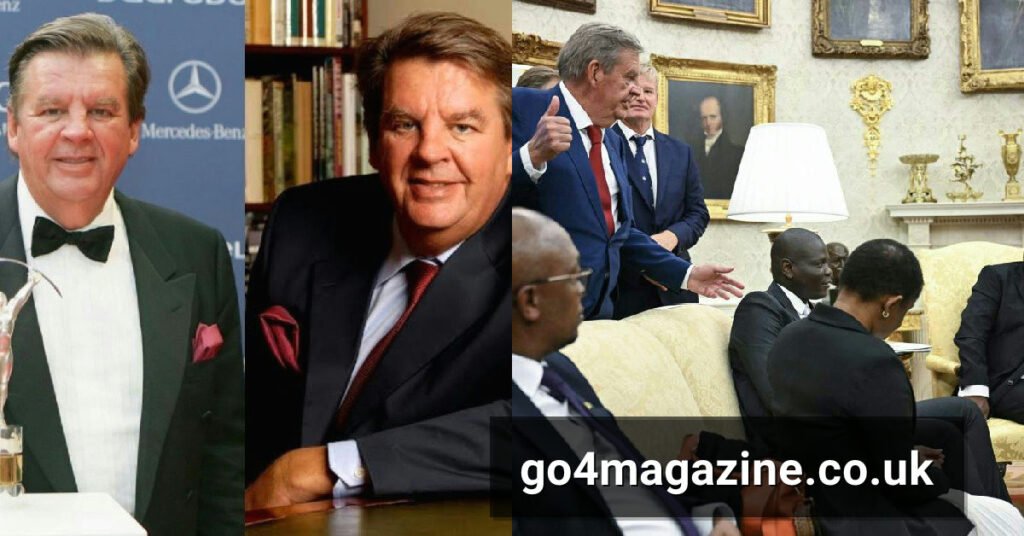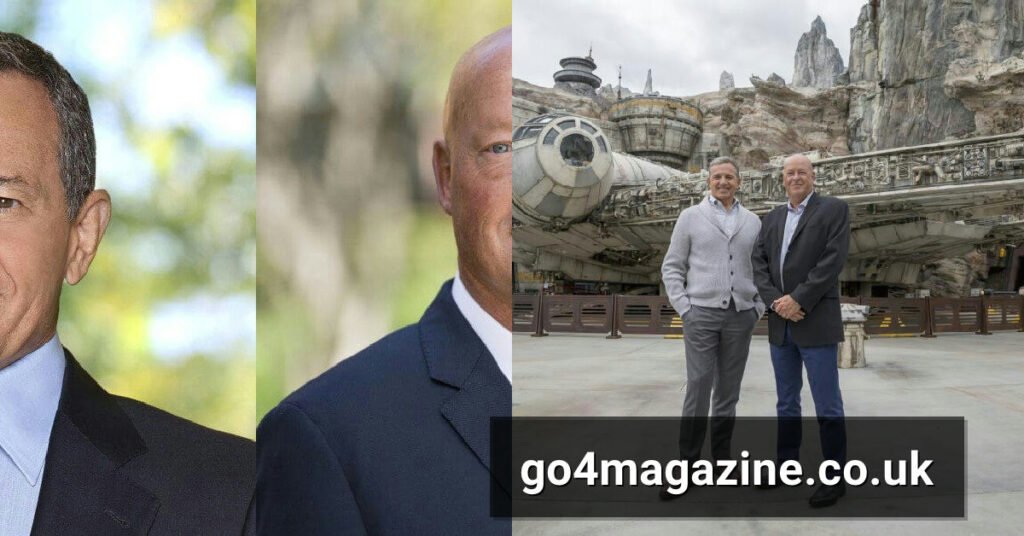
If you have followed Disney’s corporate drama, you know the names Bob Chapek and John Paulson. Chapek served as Disney’s CEO from February 2020 to November 2022, a period marked by pandemic closures and streaming wars. Paulson, the hedge fund manager famous for betting against subprime mortgages in 2008, became a vocal critic of Chapek’s leadership. Their clash offers a case study in how activist investors can influence even the most iconic media companies.
Key Moments in the Chapek-Paulson Timeline
Bob Chapek took the helm at Disney just before COVID-19 shut down theme parks worldwide. He had previously led Disney’s parks division, overseeing expansions like Shanghai Disneyland and Star Wars: Galaxy’s Edge. John Paulson, meanwhile, had built a fortune by shorting mortgage-backed securities, earning billions in 2008. By 2022, Paulson & Co. managed about $9 billion in assets, down from a peak of $38 billion. Background on bob chapek and john paulson is documented in Disney Removes Controversial CEO, Erased From Company Records
Paulson became a major Disney shareholder and began publicly criticizing Chapek in mid-2022. He urged the board to cut costs, focus on core brands like Marvel and Star Wars, and improve governance. In November 2022, Disney’s board ousted Chapek and reinstated Bob Iger as CEO. Paulson’s pressure was widely seen as a contributing factor.
Chapek’s tenure included several controversies. He faced backlash over Disney’s response to Florida’s “Don’t Say Gay” law, which led to a public feud with Governor Ron DeSantis. He also mishandled a contract dispute with Scarlett Johansson over Black Widow’s streaming release, resulting in a lawsuit that was later settled. These missteps eroded investor confidence.
Paulson’s own career had its ups and downs. After his 2008 windfall, his funds suffered losses in subsequent years, including a 50% drop in 2011. He stepped back from active hedge fund management in 2020 to focus on personal investments, including a $41 million Puerto Rican resort purchased in 2019.
| Event | Date | Key Detail |
|---|---|---|
| Chapek becomes Disney CEO | February 2020 | Succeeded Bob Iger |
| Paulson criticizes Chapek publicly | Mid-2022 | Urged cost cuts and brand focus |
| Disney board ousts Chapek | November 2022 | Iger returns as CEO |
| Paulson steps back from hedge fund | 2020 | Focus on personal investments |
How an Activist Investor Pressures a Media Giant
The playbook is straightforward. An activist investor like John Paulson accumulates a significant stake in a company. He then uses public statements, private meetings with the board, and sometimes media campaigns to push for changes. In Disney’s case, Paulson’s criticism centered on three areas: cost structure, brand focus, and governance.
First, Paulson argued that Disney’s costs were too high. He pointed to streaming losses as Disney+ spent heavily on content to compete with Netflix. Second, he wanted Disney to concentrate on its strongest brands—Marvel, Star Wars, and animation—rather than diluting them with too many spinoffs. Third, he called for better board oversight, implying that Chapek lacked the strategic vision for the role.
Chapek’s response was defensive. He defended Disney’s streaming strategy and pointed to subscriber growth. But the numbers told a different story. Disney+ had grown rapidly, but at the cost of mounting losses. The stock price declined during his tenure, erasing billions in market value. Paulson’s arguments resonated with other shareholders.
The board’s decision to reinstate Bob Iger was a direct result of this pressure. Iger had led Disney for 15 years before stepping down in 2020. His return was seen as a vote of confidence in a more experienced leader. Paulson publicly supported the move, calling it “the right decision for shareholders.”
We can see a pattern here. Activist investors often target companies during periods of transition or underperformance. They amplify existing concerns and force boards to act. In Disney’s case, the pressure worked quickly—within months of Paulson’s public campaign, the CEO was replaced.
The Financial Stakes: Streaming Losses and Shareholder Value
Disney’s streaming business was a double-edged sword. Disney+ launched in November 2019 and quickly amassed over 100 million subscribers by early 2021. But the cost of content and marketing was enormous. In fiscal 2022, Disney’s direct-to-consumer segment lost about $4 billion. Investors like Paulson questioned whether the growth was sustainable.
Chapek had inherited a company in transition. Bob Iger had acquired Pixar, Marvel, Lucasfilm, and 21st Century Fox, building a content empire. But the shift to streaming required massive investment. Chapek’s strategy was to prioritize Disney+ over theatrical releases, a move that angered talent like Scarlett Johansson and alienated theater chains.
Paulson’s hedge fund, Paulson & Co., had a history of making concentrated bets. In 2008, his fund returned over 590% by betting against subprime mortgages. But later years were less kind. The fund lost money in 2011 and 2015, and assets under management shrank. By 2022, Paulson was managing mostly his own money and that of a few clients.
Despite his reduced fund size, Paulson’s personal wealth—estimated at over $3 billion—gave him influence. He could afford to hold a large Disney stake and wait for changes. His criticism was not just about short-term stock price; it was about long-term strategy. He wanted Disney to return to its roots as a content creator, not a streaming spender.
The regulatory angle also matters. Disney’s feud with Florida over the “Don’t Say Gay” law created political risk. Chapek’s initial silence, followed by a reversal, angered both sides. Paulson likely saw this as a distraction from core business. Good governance, in his view, meant avoiding unnecessary controversies.
Chapek’s ouster did not immediately solve Disney’s problems. Iger announced a restructuring in 2023, cutting 7,000 jobs and focusing on cost efficiency. The streaming losses continued, though at a reduced pace. Paulson’s influence had set a new direction, but the financial turnaround would take years.
Lessons from the Disney Boardroom Battle
The Chapek-Paulson episode offers several lessons for executives and investors. First, a CEO’s relationship with major shareholders is critical. Chapek failed to build trust with Paulson and other large investors. He was seen as insular and slow to respond to criticism.
Second, a clear strategy matters more than rapid growth. Disney+ subscriber numbers were impressive, but the lack of a path to profitability worried investors. Paulson’s push for cost discipline was not unique—many analysts shared his concerns. The board eventually agreed.
Third, activist investors can be a catalyst for change, but they are not always right. Paulson’s own track record includes major losses after 2008. His bet against Disney’s strategy was based on a belief that streaming was overvalued. That view has been partially validated as the industry consolidates and streaming services raise prices.
Fourth, timing is everything. Chapek took over just as a global pandemic hit. He had little room to maneuver. Paulson’s criticism came after two years of challenges, when patience was wearing thin. If Chapek had delivered better short-term results, the board might have given him more time.
The weaker claim here is that Paulson single-handedly caused Chapek’s ouster. In reality, multiple factors contributed: the Florida controversy, the Johansson lawsuit, declining stock price, and internal board dissatisfaction. Paulson was a loud voice, but not the only one.
One concrete example of Paulson’s influence: in August 2022, he publicly stated that Disney should “cut costs and focus on its core brands.” Within three months, Chapek was gone. The speed suggests that Paulson’s message aligned with what the board was already thinking.
For investors, the lesson is to pay attention to activist campaigns. They often signal underlying problems that may not be visible in quarterly earnings. For executives, the lesson is to engage with shareholders early and often. Ignoring them can be fatal.
Frequently Asked Questions
What is a good alternative to investing in Disney stock?
Investors looking for media exposure might consider Comcast (owner of NBCUniversal) or Netflix, which has a more focused streaming model. Each has different risk profiles and growth trajectories.
Who is John Paulson married to?
John Paulson is married to Jenny Paulson. The couple has been together for many years and has two daughters. They are known for their philanthropic activities, including donations to New York University.
What is Bob Chapek best known for?
Bob Chapek is best known for his brief tenure as Disney CEO during the COVID-19 pandemic. He oversaw the launch of Disney+ in several markets and the reopening of theme parks, but also faced controversies over Florida’s “Don’t Say Gay” law and the Scarlett Johansson lawsuit.
Why did Disney’s board fire Bob Chapek?
The board fired Chapek due to a combination of factors: declining stock price, streaming losses, public controversies, and pressure from activist investors like John Paulson. The board believed that Bob Iger was better suited to lead the company through its challenges.
Who is John Paulson?
John Paulson is an American hedge fund manager and founder of Paulson & Co. He became famous for making billions by betting against subprime mortgages before the 2008 financial crisis. He later shifted to real estate and personal investments, stepping back from active fund management in 2020.
What the Chapek-Paulson Clash Reveals About Corporate Governance
The conflict between Bob Chapek and John Paulson highlights a fundamental tension in modern corporate governance. Boards must balance long-term strategic vision with short-term shareholder demands. Paulson represented the latter, pushing for immediate cost cuts and a return to core brands. Chapek, meanwhile, was trying to navigate a once-in-a-century pandemic while transforming Disney’s business model.
Good governance requires clear communication between the board, the CEO, and major shareholders. In Disney’s case, that communication broke down. Chapek reportedly had strained relationships with board members, including former CEO Bob Iger, who remained on the board until December 2021. Paulson’s public criticism gave the board cover to act, but the decision to replace Chapek was ultimately theirs.
The episode also raises questions about the role of activist investors. Are they helpful watchdogs or disruptive forces? The answer depends on the situation. In Disney’s case, Paulson’s concerns were legitimate, and his intervention likely accelerated necessary changes. But activists can also push companies toward short-term thinking that harms long-term value.
For Disney, the aftermath has been mixed. Iger’s restructuring and cost-cutting have improved profitability, but the streaming business remains competitive. The company faces challenges from declining linear TV viewership and changing consumer habits. Paulson’s influence set a new course, but the journey is far from over.