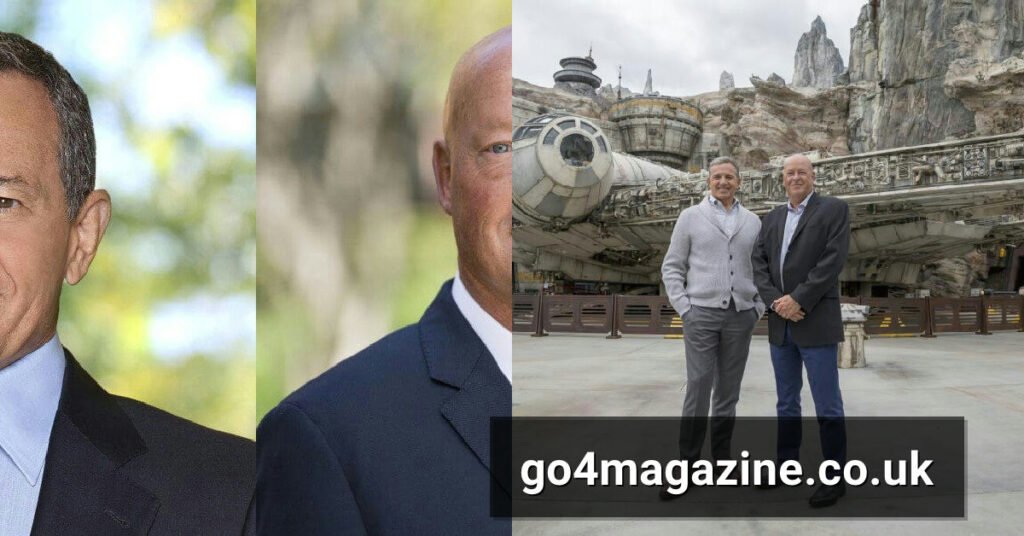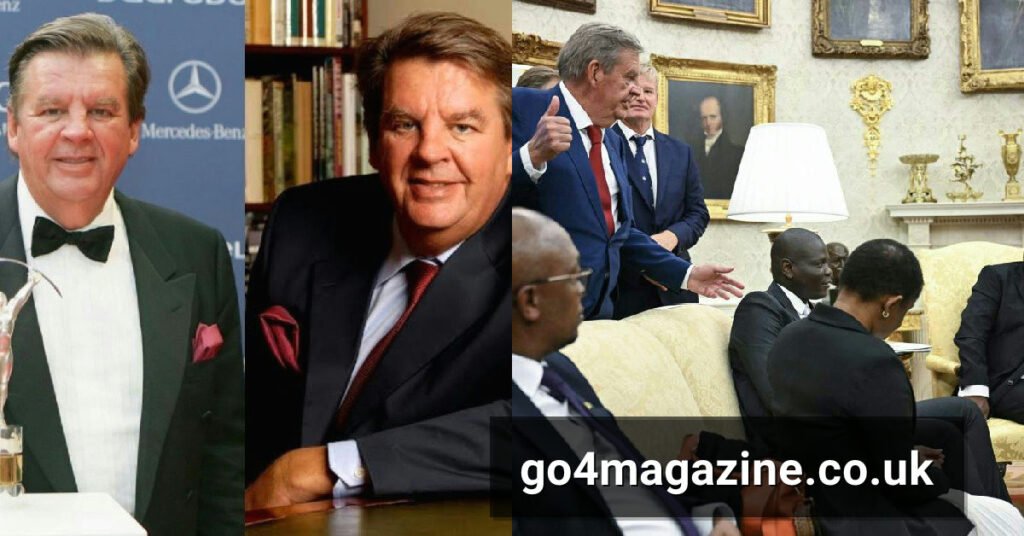
Many assume that a luxury goods chairman and a food company CEO have little in common. Yet Johann Rupert and Mark Schneider both steer global giants through turbulent markets. Rupert built Richemont into a luxury powerhouse. Schneider transformed Nestlé toward health and nutrition. Their paths reveal contrasting approaches to legacy, risk, and public scrutiny.
What Business Leaders Can Learn from Their Long-Term Strategies
Rupert structured Richemont with a family trust that insulates the company from short-term shareholder pressure. This allows investment in brands like Cartier and Montblanc without quarterly earnings anxiety. Schneider, by contrast, took Nestlé public and answers to investors every quarter. Yet he also pushed a multi-year shift toward plant-based foods and health science. com/johann-rupert-and-mark-schneider/” rel=”noopener noreferrer” target=”_blank”>Johann Rupert and Mark Schneider – info-activepropertycare. Background on johann rupert and mark schneider is documented in Johann Rupert and Mark Schneider – info-activepropertycare.com
One practical takeaway is the value of ownership structure. Rupert’s trust ensures that strategic decisions—like keeping a brand exclusive—can outlast market fads. Schneider’s challenge is balancing innovation with immediate returns. He sold underperforming water brands in 2024 to focus on higher-margin products.
Another lesson is the importance of clear vision. Rupert famously said he builds for the next generation, not the next quarter. Schneider articulated a vision of Nestlé as a “nutrition, health and wellness” company. Both men communicate a direction that employees and partners can rally behind.
For executives, the contrast shows that there is no single right model. Family control can enable patience. Public markets can force discipline. The key is aligning structure with strategy.
How Each Leader Actually Runs His Company Day to Day
Rupert stepped down as Richemont CEO in 2021 but remains executive chairman. He focuses on brand curation, product quality, and succession planning. He is known for reviewing every new watch design at IWC or Panerai before launch. His hands-on style extends to real estate—he personally approved the layout of a new Cartier boutique in Paris.
Schneider, as Nestlé CEO, delegates more. He sets broad strategic priorities—sustainability, digitalization, portfolio reshaping—and relies on regional heads to execute. He spends significant time on acquisitions and divestitures. Under his watch, Nestlé bought Starbucks’ packaged coffee rights and sold its US confectionery business.
Both leaders use data but in different ways. Rupert trusts instinct and heritage. He once said that if a product feels right to him, it will sell. Schneider relies on market research and consumer trends. He pushed Nestlé into plant-based meat after seeing growth in that category.
Communication styles also differ. Rupert is outspoken in interviews, criticizing South African government policy in 2023. Schneider is more measured, rarely making headlines with personal opinions. He lets Nestlé’s sustainability reports speak for themselves.
Current Status and Recent Developments in 2024 and 2025
As of early 2025, Rupert remains chairman of Richemont. The company reported strong sales in jewelry but faced headwinds in watchmaking due to slowing demand in China. Rupert has been vocal about the need for the Swiss watch industry to adapt to younger buyers.
Schneider continues as Nestlé CEO. In 2024, he announced the sale of several bottled water brands in North America and Europe, including Pure Life and Poland Spring. The move was part of a broader portfolio review. Nestlé also launched a new line of plant-based dairy products under the Wunda brand.
Both men face regulatory challenges. Rupert deals with antitrust scrutiny in Europe over online sales restrictions for luxury goods. Schneider navigates plastic waste regulations and water rights disputes. In 2023, Nestlé faced protests in France over water extraction permits.
Looking ahead, succession is a key question. Rupert is 74 and has groomed his son Anton to take over, though no official timeline exists. Schneider is 59 and has not signaled retirement. Nestlé’s board is reportedly satisfied with his performance.
Financial and Legal Angles: Wealth, Ownership, and Controversies
Rupert’s net worth exceeds $10 billion, according to Forbes, making him one of Africa’s richest people. His wealth is tied to Richemont shares held through a family trust. This structure also provides tax advantages in Switzerland, where Richemont is headquartered.
Schneider’s compensation is more modest by comparison. In 2023, his total pay was around 11 million Swiss francs. Nestlé’s ownership is dispersed among institutional investors. Schneider does not hold a controlling stake.
Legal controversies differ. Rupert has faced criticism over labor practices in South African mines that supply gold and diamonds to Richemont. He defended the company’s record on wages and safety. Schneider has been targeted by activists over Nestlé’s water bottling operations. In 2024, a French court ruled that Nestlé had illegally extracted water in some regions.
Both men have also dealt with tax disputes. Rupert’s use of Swiss holding companies has drawn scrutiny from European tax authorities. Schneider oversaw Nestlé’s relocation of its global headquarters to Switzerland in 2020, a move that reduced its tax bill.
| Aspect | Johann Rupert | Mark Schneider |
|---|---|---|
| Industry | Luxury goods | Food and beverage |
| Company founded | 1988 (Richemont) | 1866 (Nestlé) |
| CEO tenure | 1988–2021 | 2017–present |
| Ownership structure | Family trust | Publicly traded |
| Key controversy | Labor practices in mining | Water extraction disputes |
Frequently Asked Questions
How does Johann Rupert’s leadership style differ from Mark Schneider’s?
Rupert is hands-on and instinct-driven, personally reviewing product designs. Schneider is more delegative and data-focused, relying on market research. Rupert’s family trust allows long-term thinking, while Schneider must balance quarterly expectations with strategic shifts.
When did Mark Schneider become CEO of Nestlé?
Schneider took over as Nestlé CEO in January 2017, succeeding Paul Bulcke. He previously led Fresenius, a German healthcare company, from 2003 to 2016. His appointment marked a shift toward health and nutrition for the food giant.
Is Johann Rupert still involved in Richemont’s daily operations?
Rupert stepped down as CEO in 2021 but remains executive chairman. He still influences major decisions, especially regarding brand strategy and product design. He is known to review new watch models and boutique layouts personally.
Why did Nestlé sell some of its bottled water brands in 2024?
Schneider announced the sale to focus on premium and functional water brands. The move was part of a portfolio review to improve margins and address environmental criticism. Brands like Pure Life and Poland Spring were sold to private equity firms.
How much is Johann Rupert worth compared to Mark Schneider?
Rupert’s net worth exceeds $10 billion, making him one of Africa’s richest individuals. Schneider’s net worth is estimated at around $50 million, primarily from salary and bonuses. The difference reflects Rupert’s ownership stake in Richemont versus Schneider’s executive compensation.
How Their Backgrounds Shaped Their Leadership Philosophies
Rupert was born into a wealthy South African family. His father, Anton Rupert, founded the Rembrandt Group, a tobacco and industrial conglomerate. Growing up in a business dynasty taught him the value of long-term thinking and family control. He studied economics at Stellenbosch University and later worked in New York and London before joining the family business.
Schneider grew up in Germany. His father was a civil engineer, and his mother was a teacher. He studied business administration at the University of Mannheim and earned a PhD in finance. His early career included stints at McKinsey and Fresenius, where he learned turnaround management and operational efficiency.
These backgrounds explain their different approaches. Rupert inherited a legacy and chose to preserve it through careful stewardship. Schneider climbed the corporate ladder and focused on transformation. Both men respect tradition, but Schneider is more willing to disrupt established practices.
Rupert’s experience in the luxury sector taught him that scarcity and exclusivity drive value. Schneider’s time in healthcare and food showed him that scale and innovation can coexist. Their paths converged on the principle that a clear mission matters more than short-term gains.
What Critics and Supporters Say About Each Leader
Rupert has admirers in the luxury world who praise his commitment to craftsmanship. He is credited with elevating Richemont’s brands to the top tier. Critics, however, point to his resistance to e-commerce early on, which cost the company market share. Some also question his political commentary, arguing it distracts from business.
Schneider earns respect for modernizing Nestlé’s portfolio. Supporters highlight the acquisition of Starbucks’ packaged coffee rights and the expansion into plant-based foods. Detractors say he moved too slowly on sustainability and that Nestlé’s water controversies damaged its reputation. Some investors feel he should have divested underperforming assets sooner.
Both leaders have faced shareholder activism. Rupert dealt with calls to spin off the watch division. Schneider faced pressure from Third Point in 2022 to break up Nestlé. Neither yielded completely, but both made adjustments. Rupert increased share buybacks. Schneider accelerated portfolio reviews.
Public perception also differs. Rupert is seen as a patrician figure, aloof but principled. Schneider is viewed as a competent manager, less charismatic but reliable. Their legacies will depend on how well their companies navigate the next decade.
How Their Backgrounds Shaped Their Leadership Philosophies
Rupert was born into a wealthy South African family. His father, Anton Rupert, founded the Rembrandt Group, a tobacco and industrial conglomerate. Growing up in a business dynasty taught him the value of long-term thinking and family control. He studied economics at Stellenbosch University and later worked in New York and London before joining the family business.
Schneider grew up in Germany. His father was a civil engineer, and his mother was a teacher. He studied business administration at the University of Mannheim and earned a PhD in finance. His early career included stints at McKinsey and Fresenius, where he learned turnaround management and operational efficiency.
These backgrounds explain their different approaches. Rupert inherited a legacy and chose to preserve it through careful stewardship. Schneider climbed the corporate ladder and focused on transformation. Both men respect tradition, but Schneider is more willing to disrupt established practices.
Rupert’s experience in the luxury sector taught him that scarcity and exclusivity drive value. Schneider’s time in healthcare and food showed him that scale and innovation can coexist. Their paths converged on the principle that a clear mission matters more than short-term gains.
What Critics and Supporters Say About Each Leader
Rupert has admirers in the luxury world who praise his commitment to craftsmanship. He is credited with elevating Richemont’s brands to the top tier. Critics, however, point to his resistance to e-commerce early on, which cost the company market share. Some also question his political commentary, arguing it distracts from business.
Schneider earns respect for modernizing Nestlé’s portfolio. Supporters highlight the acquisition of Starbucks’ packaged coffee rights and the expansion into plant-based foods. Detractors say he moved too slowly on sustainability and that Nestlé’s water controversies damaged its reputation. Some investors feel he should have divested underperforming assets sooner.
Both leaders have faced shareholder activism. Rupert dealt with calls to spin off the watch division. Schneider faced pressure from Third Point in 2022 to break up Nestlé. Neither yielded completely, but both made adjustments. Rupert increased share buybacks. Schneider accelerated portfolio reviews.
Public perception also differs. Rupert is seen as a patrician figure, aloof but principled. Schneider is viewed as a competent manager, less charismatic but reliable. Their legacies will depend on how well their companies navigate the next decade.