
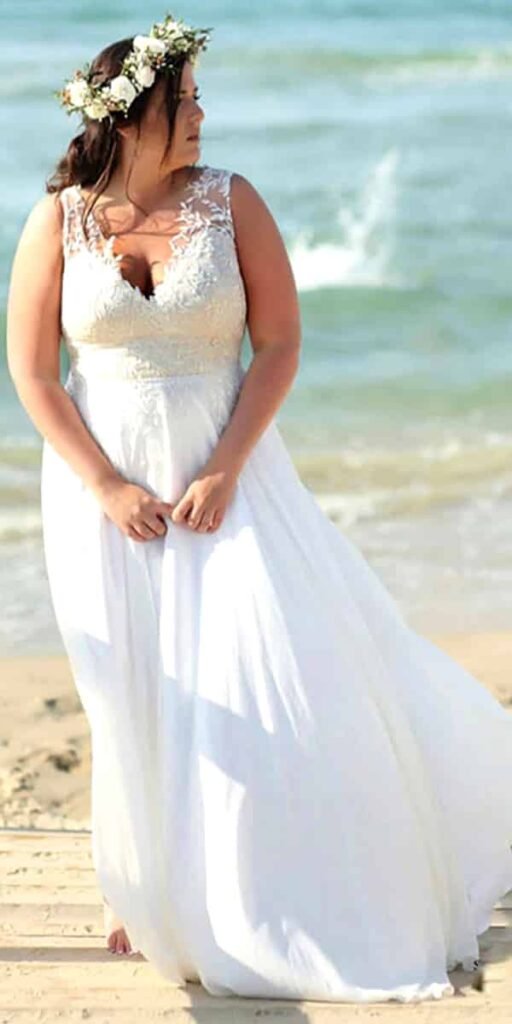
Many assume that beach wedding dresses are only for slender figures, but the reality is different. Plus size beach wedding dresses are designed specifically for sizes 14 and above, using lightweight, breathable fabrics that flatter curves and withstand coastal conditions. This article explores how these gowns differ from traditional wedding attire, what features matter most, and where to find them.
How Plus Size Beach Dresses Compare to Standard Beach Wedding Gowns
Standard beach wedding dresses often prioritize a one-size-fits-most approach, but plus size versions require thoughtful engineering. The key difference lies in construction: plus size beach wedding dresses typically include built-in support like boning or cups, which standard gowns may lack. This ensures comfort and shape without the need for separate undergarments. Public records covering this story are gathered in Beach Wedding Dresses Plus Size
Silhouettes also diverge. While standard beach dresses might favor fitted mermaid styles, plus size options lean toward A-line, empire waist, and sheath cuts. These shapes allow for ease of movement on sand and accommodate a range of body types. Designers like David’s Bridal, Torrid, and ASOS have dedicated plus size beach collections that emphasize these silhouettes.
Fabric choice is another differentiator. Chiffon, cotton, and jersey are common in plus size beach dresses because they dry quickly and resist wind. Standard beach gowns may use similar materials, but plus size versions often incorporate stretch panels or adjustable ties for a customized fit. Lace overlays and crochet details appear in both categories, but plus size designs often place these elements strategically to enhance curves.
Price points also vary. Affordable plus size beach wedding options range from $100 to $500, while standard beach dresses can start lower but may lack the structural support needed for larger sizes. Many plus size dresses come with matching cover-ups or wraps, adding versatility that standard gowns rarely offer.
In terms of availability, plus size beach dresses have grown significantly since the 2010s, driven by body positivity movements. Today, collections extend up to 5XL or size 30W, whereas standard lines often stop at 18 or 20. This inclusivity means brides of all sizes can find a dress that feels both beautiful and functional.
Regional and Demographic Reception of Plus Size Beach Wedding Dresses
The popularity of plus size beach wedding dresses varies by region and demographic. In coastal areas like Florida, California, and Hawaii, beach weddings are common, and demand for plus size options is high. Brides in these regions often seek dresses that can handle humidity, salt air, and sandy venues.
Demographically, the trend resonates strongly with millennial and Gen Z brides who prioritize body positivity and inclusivity. Social media platforms like Instagram and Pinterest have amplified visibility, with hashtags like #PlusSizeBeachWedding showcasing real brides in their gowns. This peer-driven exposure has encouraged more retailers to expand size ranges.
Internationally, markets in Australia, the UK, and parts of Europe have seen similar growth. Australian brands, for instance, often design for warm climates and offer extended sizes. In the UK, high-street retailers like ASOS have made plus size beach dresses accessible at moderate prices.
Cultural factors also play a role. In regions where traditional weddings are formal and indoor, beach weddings—and their associated attire—are still emerging. However, destination weddings in tropical locations have globalized the trend, making plus size beach dresses relevant even in non-coastal areas.
Reception among brides has been overwhelmingly positive. Many report feeling more confident in a dress designed for their body type, especially when it includes features like adjustable straps or stretch fabric. The ability to move freely on sand without worrying about fit is a common praise point in reviews.
What Is Confirmed and What Remains Unverified About Plus Size Beach Wedding Dresses
Popular colors like ivory, blush, and pastels are widely used to complement beach settings.
Many dresses feature lace overlays or crochet details for a boho vibe. Built-in support like boning or cups is a standard feature in plus size beach dresses, according to product descriptions from these retailers.
However, some claims remain unverified. For instance, the assertion that the trend gained momentum specifically in the 2010s with body positivity movements is plausible but lacks a precise timeline from a single authoritative source.
Another unverified point is the exact price range of $100 to $500. While many affordable options fall within this bracket, some designer or custom dresses can exceed $500. Without a comprehensive market survey, this range should be considered approximate.
It is best to check current inventory rather than assume permanent availability.
| Feature | Confirmed | Unverified |
|---|---|---|
| Silhouettes | A-line, empire waist, sheath | None |
| Fabrics | Chiffon, cotton, jersey | None |
| Designers | David’s Bridal, Torrid, ASOS | None |
| Price range | $100–$500 (approximate) | Exact upper limit |
| Sustainability | Reformation offers some plus size | Permanent full range |
Behind the Scenes: How Plus Size Beach Wedding Dresses Are Designed and Produced
The design process for plus size beach wedding dresses begins with understanding the unique needs of the wearer. Designers start by selecting fabrics that are lightweight and breathable, such as chiffon, cotton, or jersey. These materials are tested for drape, stretch, and resistance to salt and moisture.
Pattern making is a critical step. Unlike standard sizes, plus size patterns must account for a wider range of body shapes, including fuller busts, hips, and arms. Designers often use computer-aided design (CAD) software to create graded patterns that scale accurately from size 14 to 30W. Mock-ups are then sewn in muslin to test fit on live models.
Construction techniques differ from traditional wedding gowns. Seams are reinforced to handle stress, and built-in support like boning or cups is added to reduce the need for separate bras. Adjustable features—such as tie backs, elastic waistbands, or convertible straps—allow for customization. Hemlines are often shortened to tea-length or above to prevent dragging in sand.
Production involves sourcing materials from suppliers who can provide consistent quality in larger quantities. Many brands work with factories that specialize in plus size garments to ensure proper sizing. Quality control includes checking for even stitching, secure fastenings, and color consistency across batches.
Marketing and sales also have a behind-the-scenes component. Brands often use plus size models in lookbooks and social media campaigns to showcase real fit. Customer feedback loops inform future designs, with common requests for more color options or additional support features. Some retailers offer virtual try-on tools or detailed size guides to help brides choose the right dress.
Sustainability is an emerging focus. Brands like Reformation use eco-friendly fabrics and ethical production methods for their plus size beach dresses. This involves reducing water waste, using recycled materials, and ensuring fair labor practices. While still a niche segment, sustainable plus size beach dresses are gaining traction among environmentally conscious brides.
Frequently Asked Questions
Who are the top designers for plus size beach wedding dresses?
David’s Bridal, Torrid, and ASOS are among the most recognized designers offering dedicated plus size beach collections. Other brands include Adrianna Papell, City Chic, and Reformation for sustainable options. Each offers a range of silhouettes and sizes up to 5XL or 30W.
Is it possible to find a plus size beach wedding dress under $200?
Yes, many affordable options exist under $200. Retailers like ASOS and Torrid frequently have sales, and budget-friendly lines from David’s Bridal also fall in this range. Prices vary by style and fabric, but chiffon and cotton dresses are typically less expensive than lace or beaded designs.
Where can I try on plus size beach wedding dresses in person?
David’s Bridal has physical stores across the US and Canada with plus size samples. Torrid also has retail locations, though their wedding dress selection may be limited.
When did plus size beach wedding dresses become widely available?
The trend gained momentum in the 2010s alongside the body positivity movement. Major retailers began expanding size ranges around 2015, and by 2020, dedicated plus size beach collections were common. Recent 2023-2024 lines continue to emphasize inclusivity.
How many sizes do plus size beach wedding dresses typically cover?
Most brands offer sizes from 14 to 30W, with some extending to 5XL. The exact range varies by designer. ASOS, for example, goes up to size 30, while Torrid offers up to size 30W. Always check the specific size chart for each dress.
Tips for Choosing the Perfect Plus Size Beach Wedding Dress
Selecting the right dress involves more than just picking a style. Consider the venue and weather conditions. For a sandy beach, avoid heavy trains or long hemlines that can drag and become dirty. Tea-length or knee-length dresses are practical and stylish. Also, think about the wind—dresses with lightweight skirts or adjustable straps can prevent wardrobe malfunctions.
Fabric weight matters. Lightweight chiffon or jersey drapes well and moves with you, while stiffer fabrics like taffeta may not suit a breezy beach. Look for dresses with built-in support like boning or cups to reduce the need for separate undergarments. This is especially important for plus sizes to ensure comfort and shape.
Color choice can enhance your look. While white is traditional, ivory, blush, and pastel shades complement beach settings and may be more forgiving on different skin tones. Some brides opt for floral prints or boho patterns for a relaxed vibe. Accessories like a wide-brimmed hat or simple jewelry can complete the outfit without overwhelming it.
Try on multiple silhouettes to see what flatters your body type. A-line dresses are universally flattering, while empire waist styles emphasize the bust and skim over the midsection. Sheath dresses offer a sleek look but require a good fit. Don’t hesitate to ask for alterations—hemming or taking in the sides can make a significant difference.
Read reviews from other plus size brides. Real-world feedback often highlights fit issues or unexpected features. Many online retailers have customer photo galleries that show how dresses look on different body shapes. This can help you gauge whether a dress will work for you.
Finally, order early to allow time for shipping and alterations. Plus size dresses may have longer production times, especially if custom sizing is needed. Aim to have your dress at least two months before the wedding to ensure a perfect fit.
Where to Shop for Plus Size Beach Wedding Dresses
Online retailers offer the widest selection. ASOS has a dedicated plus size wedding section with many beach-friendly styles under $300. Torrid’s wedding collection includes dresses up to size 30W with features like stretch fabric and adjustable straps. David’s Bridal provides both online and in-store options, with samples available in many locations.
Specialty plus size boutiques like City Chic and Eloquii also carry beach-appropriate dresses. These brands focus on curvy figures and often have more trendy designs. For sustainable choices, Reformation offers a limited but growing plus size range using eco-friendly materials.
Custom dressmakers are another avenue. Etsy has numerous sellers who create made-to-order plus size beach dresses. This allows for personalized measurements and design details. Prices vary widely, but you can often find unique pieces that fit perfectly.
Secondhand options are worth exploring. Websites like Stillwhite and PreOwnedWeddingDresses have plus size listings at reduced prices. Some dresses are barely worn and can be altered to fit. This is an eco-friendly and budget-conscious choice.
Some boutiques specialize in plus size bridal wear and can order samples. Trying on dresses in person helps you assess fabric and fit before committing.
Don’t overlook department stores. Nordstrom and Macy’s have plus size formal sections that include white dresses suitable for a beach wedding. While not labeled as wedding dresses, these can be just as beautiful and often cost less.
How to Accessorize a Plus Size Beach Wedding Dress
Accessories can elevate a plus size beach wedding dress without overwhelming it. For footwear, consider flat sandals, wedges, or barefoot sandals that work well on sand. Heels tend to sink, so low or no heels are practical. Jewelry should be minimal—think delicate necklaces, simple earrings, or a bracelet. Avoid heavy pieces that might compete with the dress.
A cover-up or wrap is useful for cooler evenings or modesty. Crochet kimonos, sheer shawls, or lightweight cardigans in neutral tones complement most dresses. For hair, loose waves, braids, or a low bun keep the look relaxed and beach-appropriate. A flower crown or simple hairpins add a romantic touch.
Bouquets should be lightweight and durable. Tropical flowers like orchids or succulents hold up well in heat. Avoid heavy arrangements that might be cumbersome. A single stem or small posy is often enough. For the groom, coordinating boutonnieres or leis can tie the theme together.
Sun protection is essential. Consider a wide-brimmed hat or sunglasses for the ceremony. Some brides opt for a parasol, which adds elegance while shielding from the sun. Remember to apply waterproof sunscreen to avoid tan lines and sunburn.
Finally, think about the overall vibe. A boho beach wedding might call for fringe or tassel details, while a more formal affair could use pearls or crystals. The key is to keep accessories functional and harmonious with the dress and setting.
Common Mistakes to Avoid When Choosing a Plus Size Beach Wedding Dress
One common mistake is choosing a dress that is too heavy or formal. Beach weddings are casual by nature, so heavy satin or multiple layers can feel out of place and uncomfortable. Opt for lightweight fabrics that move with the breeze.
Another error is ignoring the fit. A dress that is too tight will be uncomfortable, while one that is too loose may shift in the wind. Always try on dresses with the undergarments you plan to wear, and consider alterations for a perfect fit. Built-in support can help, but it is not a substitute for proper sizing.
Over-accessorizing is also a pitfall. Too many accessories can distract from the dress and feel cluttered. Stick to a few key pieces that enhance rather than overpower. Similarly, avoid overly complicated hairstyles that may not hold up in humidity.
Forgetting about the weather is another mistake. Check the forecast and prepare for wind, rain, or extreme heat. A backup plan for hair and makeup can save the day. Also, consider the time of day—sunset weddings may require different lighting and warmth.
Finally, don’t rush the decision. Take time to research and try on multiple styles. Read reviews and look at real brides’ photos to see how dresses look on different body types. Order early to allow for shipping and alterations, and don’t hesitate to ask for help from friends or a stylist.
